

Treating cancer is less about one brilliant decision by one physician and more about hundreds of the right ones made together as a team.
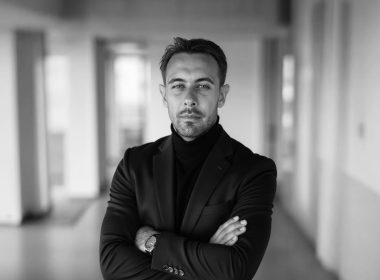
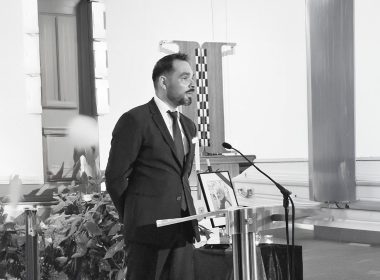
Dr. Ronald Matteotti is a triple board-certified physician and former chief of surgery with over two decades of global healthcare experience spanning hands-on clinical care, leadership in global medical affairs across oncology, and digital health strategy.
Most oncology care operates through isolated decisions where surgeons plan surgery, oncologists manage systemic therapy, and support services operate independently without coordination.
“Comprehensive case management is about more than managing a diagnosis,” says Dr. Matteotti. “It’s about integrating every aspect of the patient’s journey.”
Coordinating Care Across Disciplines
“At Bristol Myers Squibb, I’ve helped bring together cross-functional teams across the US, Europe, and Asia to ensure that care is not only expert-led but also seamlessly connected across disciplines,” Dr. Matteotti explains.
Most oncology care operates through sequential handoffs. Surgeons evaluate operability and perform procedures. Oncologists manage chemotherapy or immunotherapy. Radiologists provide imaging. Support services address nutrition, pain management, and psychosocial needs. Each discipline operates from its own assessment without integrated planning.
This creates gaps where treatments don’t coordinate timing, side effects compound without mitigation strategies, and support services arrive reactively after problems develop rather than proactively preventing them.
Coordinating care across disciplines changes outcomes. When surgery, systemic therapy, and supportive care are planned together, timing optimizes for recovery and treatment efficacy. When teams share real-world evidence about what’s working, protocols adapt based on actual patient experience rather than just clinical trial data.
Pairing Technology With Frontline Insights
We’re living in a time when data can change the course of treatment.
“Initiatives like NextGen PDAC use AI and data integration to reveal new insights, but it’s not just about analytics,” Dr. Matteotti explains. “It’s about applying that knowledge meaningfully. By pairing technology with frontline insights and patient needs, we ensure that data serves real-world outcomes, not just theoretical progress.”
Most digital health initiatives focus on data collection and analytics. AI models predict treatment response. Platforms aggregate patient information. Dashboards visualize trends. This generates insights without ensuring they translate into better care decisions at the bedside.
Pairing technology with frontline insights closes this gap. NextGen PDAC uses AI and data integration to reveal patterns in pancreatic cancer treatment, but the value comes from applying that knowledge meaningfully. When frontline clinicians understand what data shows about which patients respond to specific therapies, they make better treatment decisions.
Building Systems That Scale Globally
Effective oncology case management means creating systems built to scale.
“In projects like CheckMate-9DW for liver cancer, we’ve aligned global efforts to ensure faster approvals, better access, and ultimately better care for patients everywhere,” Dr. Matteotti explains.
Most oncology advances happen through isolated initiatives. Building systems that scale aligns global strategies for evidence generation, clinical trial reporting, and launch planning. In CheckMate-9DW for liver cancer, aligning global efforts accelerated approvals by coordinating regulatory submissions across regions, improved access by planning launches strategically, and delivered better care by ensuring patients benefited from advances rather than waiting years for local adoption.
This transforms isolated breakthroughs into systematic improvements affecting patients globally.
Delivering Precision With Compassion
“In the end, comprehensive oncology case management is about delivering precision with compassion,” Dr. Matteotti concludes. “When we align strategy, science, and care, we create real impact.”
Oncology care operating through isolated decisions leaves gaps that could be addressed through improved coordination. Comprehensive case management integrating disciplines, pairing technology with frontline insights, and building systems that scale globally, delivers precision with compassion.
As a physician and Founder & CEO of Trusted Telehealth, Dr. Matteotti works at the intersection of AI, oncology, and patient decision-making. A second opinion should never stand between a patient and their care team; it should strengthen it.
AI is transforming how therapies are developed and care is delivered, but its greatest impact is helping patients and physicians make more confident, better-informed decisions. That’s what Trusted Telehealth does: U.S. board-certified oncology second opinions when it matters most.
Connect with Ronald Matteotti, MD, on LinkedIn for insights on comprehensive oncology case management, or visit TTH.ai to obtain clarity for your condition.