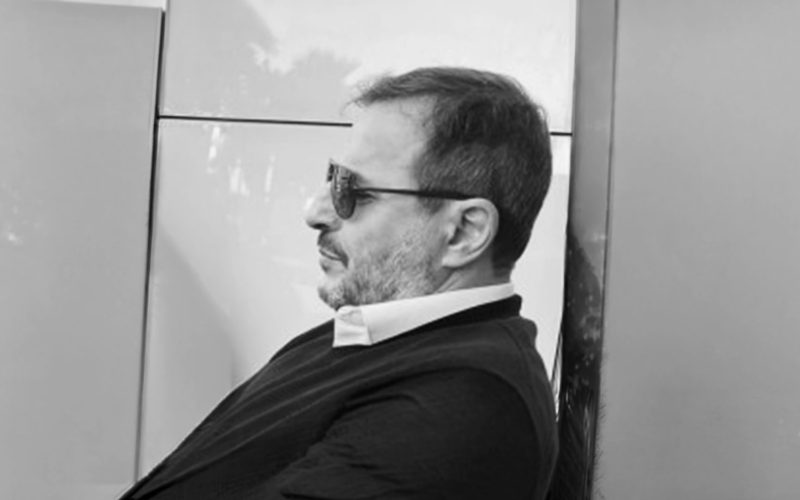



Medical knowledge advances faster than clinical practice changes. New research, new treatments, new standards of care, and yet the gap between what the evidence shows and what happens at the bedside remains one of the most persistent and costly problems in healthcare. That gap is not a knowledge problem. It is an education design problem. Richard “Rick” Davis, President and Chief Executive Officer (CEO) of Arbor Scientia and former Senior Vice President at the Neuroscience Education Institute, has spent more than 30 years building medical education programs across the globe with a single objective of not transferring information, but changing what clinicians actually do. “The gap between what we know and what is done at the bedside is where patient outcomes are won or lost,” Davis states.
Design Backward From Behavior, Not Forward From Content
The most common flaw in medical education program design is the starting question. Most programs begin by asking what we should teach. The more productive question is: ‘What do we want clinicians to do differently after this program ends?’ When the answer to that question is specific and measurable, every piece of content either earns its place or gets cut. The curriculum stops being built around coverage and starts being built around change.
That shift in design logic is deceptively simple and rarely applied. Teaching for coverage produces lectures, but teaching for change produces leverage. When a program is designed backward from a concrete clinical behavior, every element of the learning experience can be evaluated against whether it moves clinicians toward that behavior. Davis calls this designing for outcomes, and it is the foundational discipline that distinguishes medical education that transforms clinical practice from medical education that simply informs it.
Make the Science Stick
Clinicians are busy, and information fades. A well-designed conference session, a compelling data presentation, an evidence-based lecture – all of these begin to degrade in retention almost immediately unless the program is built around how the brain actually learns. Repetition, real cases, and emotional relevance are not pedagogical niceties. They are the mechanisms through which knowledge moves from short-term recall into daily clinical decision-making.
The specific technique Davis returns to is connecting science to patient stories. When a clinician encounters evidence in the context of a recognizable patient scenario, someone they have treated, a case that mirrors their own experience, the information anchors differently than it does in abstract form. Reinforcement across multiple touchpoints over time consolidates that anchoring into practice change. A single-exposure educational event, however well produced, rarely achieves durable behavior change. The programs that drive clinical outcomes are those designed around the reality of how knowledge is retained and retrieved under the conditions of actual clinical work.
Measure What Actually Changed
Attendance numbers and satisfaction scores are easy to collect and nearly useless as measures of educational impact. They tell an organization how many people showed up and whether they enjoyed the experience. They say nothing about whether anything changed at the bedside. Davis is direct about this: measurement has to be built into program design from the beginning, not added as an afterthought once the content is finalized.
The metrics that matter are clinical, prescribing patterns, diagnostic decisions, protocol adherence, and patient results. When a program can demonstrate that it changed what clinicians do, it has demonstrated that it changed patient outcomes. That proof is not only meaningful from a mission standpoint. It is what justifies continued investment in medical education, what demonstrates value to medical affairs teams and continuing medical education (CME) directors, and what separates programs worth building from programs worth eliminating. The goal is transformation, not information delivery. When education is designed, delivered, and measured that way, the clinicians it reaches bring something different back to the patients they serve.
Follow Richard “Rick” Davis on LinkedIn for more insights on medical education design, clinical outcomes, and building the programs that genuinely change how clinicians practice.