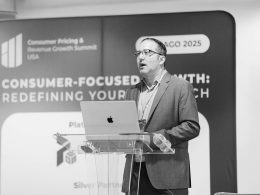
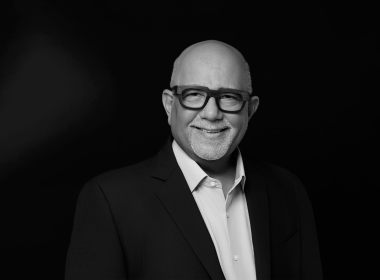



In Marta Penda’s experience, strong go-to-market execution (GTM) falters because leaders hesitate to address the conversations that determine whether strategy translates into results. “I think most teams don’t fail because leaders don’t know the strategy,” Penda says. “Many times it’s because leaders avoid conversations that need to happen in order to execute this strategy.”
As Head of Sales, Americas at Cloudbeds, Penda believes that building high-performing teams starts with creating an environment where clarity replaces avoidance and honest dialogue becomes a competitive advantage. That philosophy has shaped her leadership across hospitality software as a service (SaaS), hotel technology, and travel tech, where enterprise buying cycles are increasingly complex and customer expectations continue to rise. As hotel software evolves through AI, automation, and expanding technology stacks, effective GTM execution depends less on polished presentations and more on the quality of conversations sales leaders have with both their teams and customers.
Performance Starts With Honest Conversations
High-performing sales organizations distinguish themselves by confronting reality early “rather than explaining poor results after the fact.” According to Penda, effective sales leadership focuses less on missed quotas and more on understanding the underlying causes. “The best leaders are willing to have conversations about performance,” she says. “Let’s talk about why that’s happening. Is it skill? Is it effort? Is it the way we’re prioritizing things? Is it confidence? Is it pipeline quality?”
This is especially important in hospitality SaaS, where long sales cycles and enterprise hoteliers often evaluate multiple vendor partnerships simultaneously. Inflated pipelines may create temporary optimism, but they rarely strengthen GTM strategy.
Instead, leaders should consistently test the health of opportunities by asking better questions: Why is the customer buying now? Who owns the decision? Why this solution over another? What happens if they do nothing? Those conversations expose reality early enough to improve outcomes instead of simply explaining them later. “Be direct and not cruel,” Penda says. “When you deliver feedback with kindness and clarity, it doesn’t feel like a surprise or an attack.”
Complexity Demands Better Customer Conversations
Hotel technology has never been more interconnected. Property management, hotel distribution, revenue technology, payments, guest experience, and hotel operations increasingly operate as one ecosystem. “Hotel tech is very complex,” Penda says. “It’s important to diagnose the problem and then offer a solution based on the business problem, as opposed to trying to just showcase features.”
Enterprise buyers have become more informed and more skeptical. They are no longer looking for another generic product demonstration. They want strategic partnerships that addresses operational priorities and measurable business outcomes. For hospitality SaaS providers, that means moving beyond reactive customer support and product-centric selling toward proactive partnership. Understanding operational challenges before presenting capabilities strengthens vendor accountability, while building trusted vendor relationships with hotels. Ultimately, proactive account management in hospitality creates stronger customer success, because conversations remain focused on outcomes rather than features.
AI Will Automate Tasks. Trust Remains Human.
AI is already reshaping sales organizations across hospitality SaaS. Administrative work, forecasting, prospecting, research, and follow-up activities are becoming increasingly automated, allowing teams to spend more time with customers. “I don’t think AI will replace great sellers,” Penda says. “There’s a lot that is going to be done with AI that will make great sellers more efficient.” Technology can summarize calls and generate outreach, but it cannot replace business judgment, empathy, negotiation, or the ability to guide organizations through change. Those capabilities remain essential when building GTM strategy around hotelier outcomes.
As automation expands, sales leadership shifts toward helping teams develop the skills AI cannot replicate. Curiosity, emotional intelligence, and thoughtful questioning become even more valuable because they strengthen strategic partnerships, while reducing vendor friction in hospitality operations. “The beauty of it is to use AI to your advantage,” Penda says. “You can do more of the interesting part of the job and less of the admin.”
Leadership’s Competitive Advantage Is Human Judgment
As hotel technology continues to evolve, the future of hotel vendor management will depend less on automation itself and more on how leaders combine technology with meaningful human interaction. “When everyone is receiving AI-generated emails and automated follow-ups,” Penda says, “what differentiates you is the curiosity, the judgment, the trust that you build, your understanding of the business, your emotional intelligence, and the ability to challenge them respectfully.”
The strongest vendor partnerships are built through conversations that help customers think differently about their business, not simply purchase another platform. It is an approach that bridges hotel technology with operational needs, while creating long-term value for both providers and hotel operators.
Organizations that normalize honest dialogue, embrace constructive feedback, and prioritize customer understanding over product promotion will continue to strengthen client relationships, improve GTM execution, and redefine how hospitality vendors drive hotel revenue.
Follow Marta Penda on LinkedIn or visit her website for more insights.