


Strong performance does not guarantee promotion. It guarantees consideration. The executives who actually advance are not always the highest performers; they are the most prepared ones, and preparation is not something that happens by accumulating results. It requires deliberate development of the capabilities that senior decision-makers are actually evaluating.
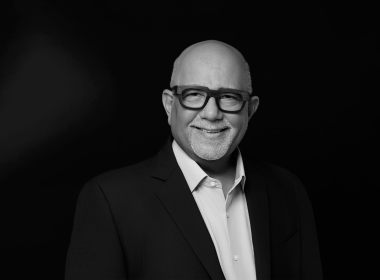
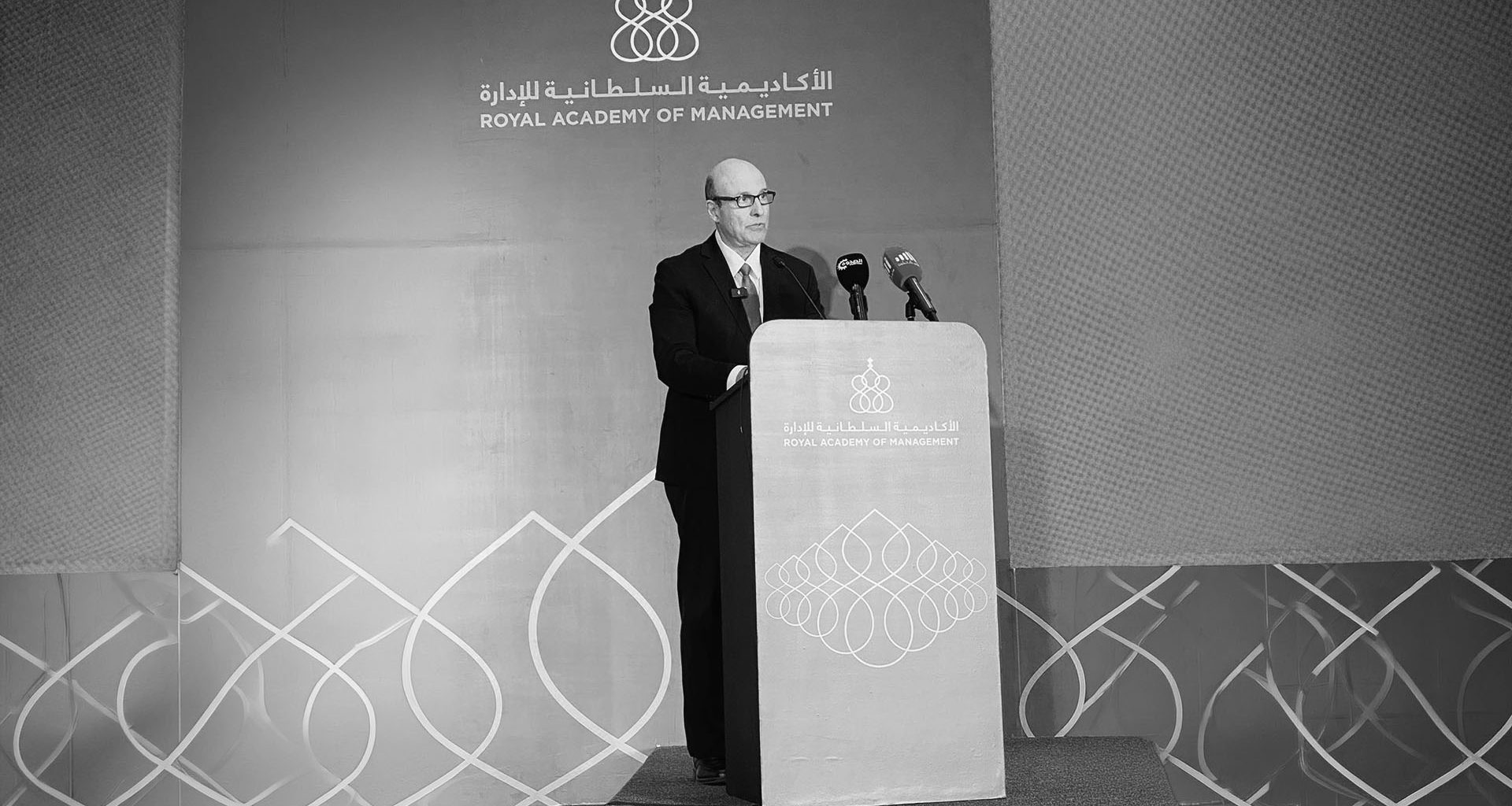
Dr. Luigi A. Pecoraro, Chief Growth Officer at Next Level Leader Coaching, has spent more than 25 years working with senior executives and Fortune 500 organizations. According to Pecoraro, the reason why high performers get passed over is that “promotion, scale, and enterprise complexity do not reward the best performers. They reward the prepared ones.”
Performance Is Not the Story. Influence Is
At senior levels, decision-makers are not looking for another excellent executor. They are looking for someone who can articulate a three-to-five-year vision for the business and demonstrate the capacity to move the organization toward it. The executive who communicates only in results, revenue generated, problems solved, and targets hit is telling an incomplete story. Accomplished as that story may be, it answers the question of what has been done rather than where the organization can go.
The shift Pecoraro coaches is from translating accomplishments into outcomes to translating accomplishments into a compelling case for broader influence. “It is not just execution that gets you to the next level,” he says. “It is foresight and strategy.” The ability to articulate what the future looks like and how your leadership can take the organization there is what separates executives who are seen as promotable from those who are seen as valuable in their current role. Both are respected. Only one advances.
Learning Agility Is the Operating System for Scale
Static leadership models break down under complexity. As the scope expands, the problems no longer have clean answers. The executives who navigate that environment effectively are not necessarily the most experienced or the most technically capable. They are the fastest to integrate new information and adjust their approach without losing their strategic direction.
Pecoraro frames learning agility not as a personality trait but as a discipline, the capacity to process unfamiliar situations, absorb feedback quickly, unlearn approaches that no longer serve the context, and pivot without losing sight of the goal. “The leaders I see who succeed at scale are the fastest to integrate new information and adjust their plans,” he says.
In a market that changes faster than any fixed leadership model can match, the ability to adapt is essential. It is the operating system on which everything else runs. Executives who treat their current approach as permanent are building on a foundation that will eventually crack under the weight of greater complexity.
The myth of the solitary executive, the decisive individual who sees clearly and leads independently, collapses the moment accountability extends across multiple functions, geographies, and stakeholder groups. No single leader has the bandwidth, perspective, or relational capital to manage enterprise complexity through hierarchical authority alone. Attempting to do so does not produce control. It produces bottlenecks, blind spots, and fragility precisely when resilience is most needed.
The executives who thrive at enterprise scale build interconnected relationships across the organization and think about how the entire ecosystem works together rather than how their function performs in isolation. They invest in peers, sponsors, and emerging talent not as a gesture of collegiality but as a strategic imperative. “Collaboration at this level is not a soft skill,” Pecoraro says. “It is a competitive advantage.” It accelerates execution because decisions move faster when trust already exists. The question for every executive preparing for the next level is not whether change is coming. It is whether the preparation has started. Performance opens the door. Foresight, adaptability, and shared leadership determine what is on the other side of it.
Follow Dr. Luigi A. Pecoraro on LinkedIn or visit his website for more insights on executive development, promotion readiness, and building the leadership capabilities that enterprise complexity demands.