



The assumption that purpose and profit exist in tension has cost mission-driven businesses more than it has protected them. It has kept founders operating without financial clarity in the name of staying true to their values, stalling on capital because traditional financing felt misaligned, and treating sustainability as something to figure out after the impact work is done.
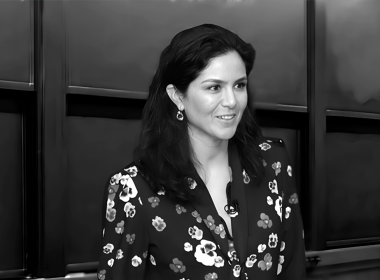
Rachel Bernier-Green, founder of the EJ Consortium and host of the Purpose Profit Shift, has spent over 20 years dismantling that assumption. “Purpose and profit were never meant to be enemies,” Bernier-Green says. “The very things that make your company just and equitable can also make it permanently profitable.”
Financial Clarity Is Not a Concession to Capitalism
The most common failure mode Bernier-Green sees in purpose-driven businesses is not a lack of mission. It is a lack of financial visibility. Founders lead with conviction but operate without a clear understanding of their margins, cost structure, or what is actually driving, or draining, the bottom line. The assumption is that focusing too hard on the numbers means compromising the values. The reality is the opposite. Without that clarity, the mission eventually runs out of runway.
Bernier-Green uses the Profit First methodology alongside a proprietary five-step framework to give mission-led leaders the financial picture they need to make decisions with confidence. The goal is not to shift the organization’s priorities. It is to give founders the visibility to pursue those priorities without flying blind. “You can’t drive impact without first fixing the dashboard,” she says. Purpose without financial clarity is not noble. It is fragile.
Systems That Scale and Reflect Values Simultaneously
The second failure mode is mistaking hustle for infrastructure. Purpose-driven businesses that grow on founder energy rather than operational systems hit a ceiling that no amount of commitment can break through. Chaos consumes the bandwidth that should be going toward the mission. Decisions that should be delegated keep routing back to the founder. Growth becomes something to survive rather than something to design.
Bernier-Green builds financial and operational frameworks designed to eliminate that chaos: KPI dashboards, automation, and equitable compensation structures that do not just support growth but actively reflect the organization’s values. Systems built purely for efficiency can undermine the culture that makes a purpose-driven organization worth scaling. Systems designed with the mission in mind do both simultaneously. “When systems are built right,” she says, “they don’t just support growth. They reflect your values.” An organization that operates with that alignment does not have to choose between scaling and staying true to what it was built to do.
Capital as a Justice Tool, Not Just a Growth Lever
The third place purpose-driven businesses stall is capital. Traditional financing structures were not designed with mission-aligned enterprises in mind, and founders who attempt to force-fit them often find themselves making concessions that compromise the very model investors are meant to fund. The result is organizations that either avoid capital entirely and underinvest in growth, or accept capital on terms that slowly erode what made them worth funding in the first place.
Bernier-Green helps leaders navigate alternative financing strategies that align with the organization’s ethics rather than requiring it to adapt to conventional expectations. “With the right strategy,” she says, “capital becomes a lever for both growth and justice.” The financing structure is not a neutral administrative decision. It is a statement about who the organization is accountable to and what kind of growth it is designed to produce.
Permanent profitability, in Bernier-Green’s framework, is not about achieving financial perfection. It is about building an organization intentional enough, structured enough, and strategic enough to sustain the impact it was created to deliver. “It’s about making your business as sustainable as the impact you’re committed to,” she says. That sustainability is not a compromise. It is the prerequisite for everything else.
Follow Rachel Bernier-Green on LinkedIn for more insights on purpose-driven profitability, impact finance, and building mission-aligned enterprises.