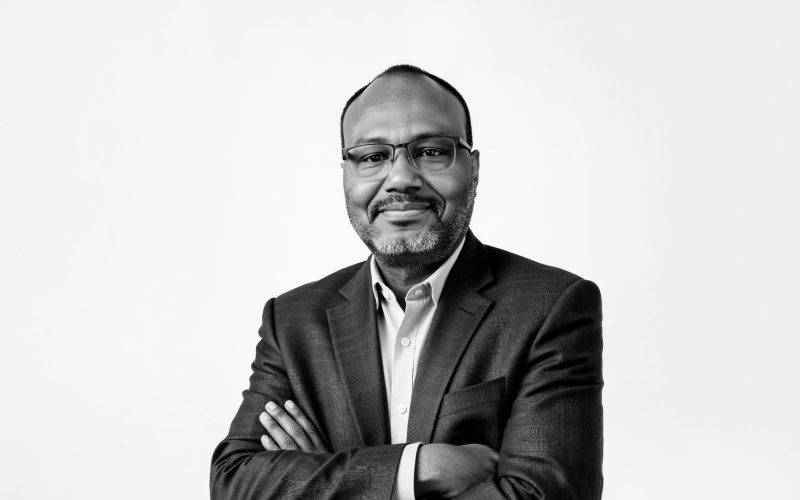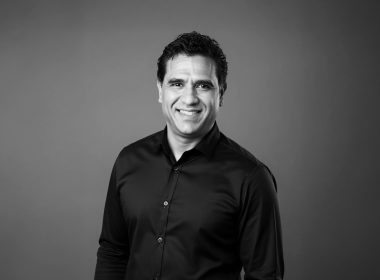


Most small businesses don’t fail because they lack ambition. They fail because they scale chaos instead of systems. Eamon Graziano has watched founder-led companies hit the same ceiling repeatedly. They’re growing revenue while operations crumble, hiring faster than they can train, automating the wrong workflows while critical bottlenecks remain manual.
As a fractional COO, business growth leader, and Marine Corps veteran, Graziano has spent his career helping companies break through growth barriers by building operational infrastructure that scales without the founder handling everything.
Build Foundation Before You Scale Volume
Most businesses stall because they mistake hustle for infrastructure. Founders work harder, hire faster, push teams longer, and wonder why revenue grows while profit margins shrink and customer satisfaction drops.
“Most businesses stall because they rely on hustle instead of structure,” Graziano explains. “To scale, you need clear processes, documented SOPs, and a leadership team aligned around execution.”
This sounds obvious until you watch companies ignore it. They add salespeople before defining the sales process. They hire customer service reps before documenting how to resolve common issues. Each addition creates more complexity without adding capacity.
Graziano’s approach starts with mapping workflows to identify where work actually happens versus where founders think it happens. “Start by mapping your workflows, removing bottlenecks, and creating accountability,” he advises. When everyone knows how work flows, who owns what, and what success looks like, operations scale without constant founder intervention.
The foundation determines everything built on top of it. Solid infrastructure fuels sustainable growth. Weak infrastructure cracks under pressure, and everything built on top collapses.
Automate What Drains, Elevate What Matters
Technology multiplies force, but only when applied strategically.
Graziano has helped teams implement automations that saved hundreds of hours immediately while boosting accuracy.
“The goal isn’t to replace people. It’s to free them to do higher value work,” he emphasizes. When customer service teams spend hours on routine inquiries instead of complex problem-solving, automation doesn’t eliminate jobs; it elevates them. When salespeople manually enter data instead of building relationships, automation removes the friction that prevents them from doing what they do best.
The key is identifying which tasks drain capacity without adding value. This includes tasks such as scheduling meetings, following up on leads, routing support tickets, and generating routine reports. These tasks matter, but they don’t require human judgment. Automating them frees teams to focus on work that actually moves the business forward.
Scale Leadership, Not Just Headcount
The biggest barrier to scaling isn’t hiring, it’s the founder’s inability to let go. As businesses grow, the founder’s role must evolve from doing the work to building the team that does the work. Most founders struggle with that transition. “As your business grows, your role must evolve,” Graziano notes. “That means hiring intentionally, building a strong management layer, and fostering a culture of ownership.”
Culture of ownership matters because scaling requires trusting people to solve problems independently. When every decision requires founder input, growth stalls at the founder’s capacity. “When every person operates in their zone of genius and is aligned with the company vision, your team becomes your greatest growth engine, not your biggest constraint,” he explains.
This shift is uncomfortable, but necessary. Founders built the business by controlling everything. Scaling requires releasing control while maintaining standards. That tension breaks many companies. Founders who can’t delegate burn out, and founders who do, succeed.
Growth Favors Structure Over Speed
Graziano has helped founder-led companies scale through operational transformation on a straightforward philosophy: “Scaling isn’t about doing more. It’s about doing better. With strong systems, smart technology, and empowered leadership, small businesses can operate with enterprise-level performance while staying true to who they are.” The companies that scale successfully don’t grow faster; they build infrastructure that makes growth sustainable.
“Growth favors the bold and the prepared,” Graziano concludes. Bold enough to invest in systems before they’re absolutely necessary. Prepared enough to build infrastructure that scales without breaking.
Connect with Eamon Graziano on LinkedIn for insights on scaling small businesses into enterprise-level operations.