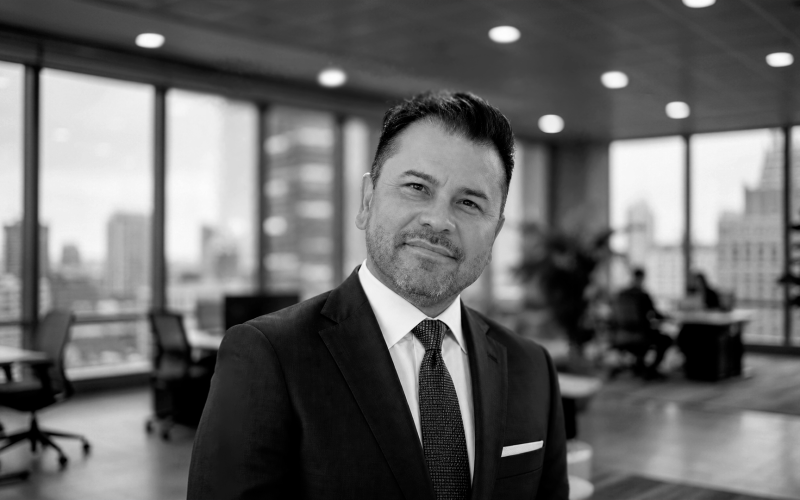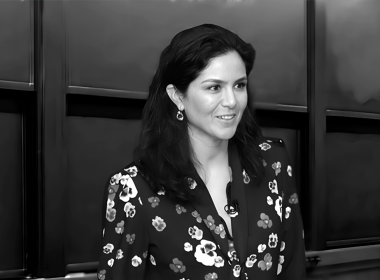

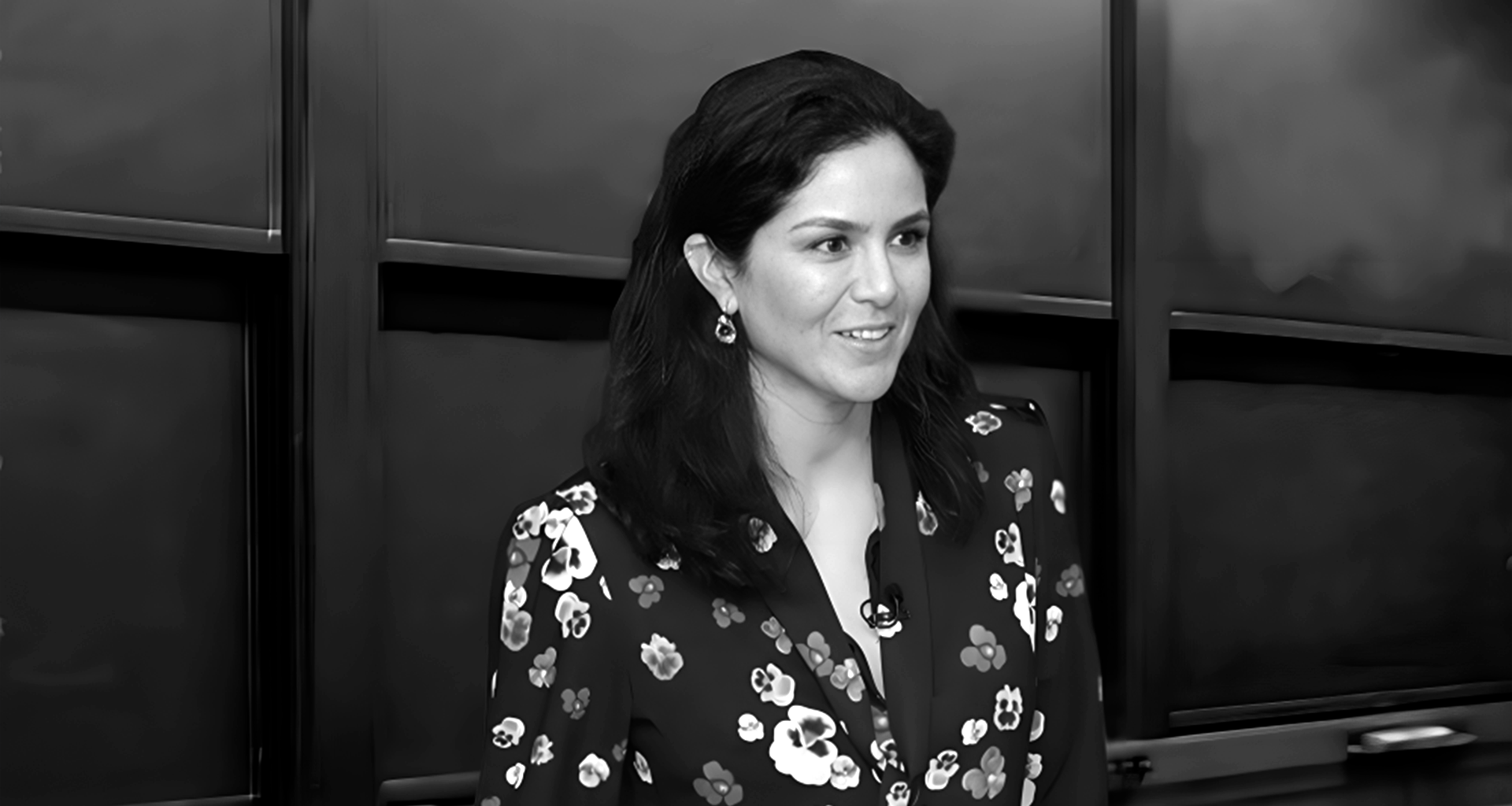
Conversations about longevity usually focus on physical health, whether that means better sleep, improved diet, or adding years to our biological lives. But when we talk about living longer, we rarely stop to consider what those extra decades mean for our working lives. Reaching age 50 today often means having several decades of work still in front of you, which fundamentally changes how we need to structure a career. Gamze Dinckok Yucaoglu, Co-Founder of the What’s Next Initiative and co-author of The Many Lives of Work, argues that this shift demands a completely fresh perspective on our working lives.
Breaking Free from Outdated Career Timelines
The traditional path of education, a single career track, and retirement was built for a time when people simply lived shorter lives. Today, holding onto that rigid progression creates friction, especially as working lives stretch out over multiple decades. “The career model we inherited was built for a shorter life: choose a path, progress through it, and eventually retire,” Yucaoglu says. “But if our working lives are going to span 40, 50, or even 60 years, we need a different model.” That friction often hits hardest in midlife, when leaders realize their original path may no longer fit who they are. Stepping away from an established identity brings real discomfort, and it is something many experienced professionals face in silence. “When I changed careers, I found myself asking a question many people reach in midlife: What comes next?” Yucaoglu recalls. “I have lived the uncertainty of not knowing the answer.”
The Perennial Career Concept
Instead of viewing a career as a ladder that you climb until you stop, Yucaoglu suggests looking at the rhythms found in nature. A sustainable working life does not require nonstop upward momentum without a break. “We call it a perennial career, inspired by nature,” she explains. “Perennial plants move through cycles of growth, rest, and renewal. Long careers can too. There can be periods of ambition and growth, but also pauses, exploration, and reinvention. Work can have many lives.” This perspective removes the pressure to treat a 50-year working life as a single, uninterrupted marathon. Some seasons naturally focus on intense executive leadership, while others call for reflection, consolidation, and learning new skills. Treating work as a series of distinct cycles helps leaders maintain energy, creativity, and perspective over the long haul.
A major reason people stay stuck in unfulfilling roles is the fear that changing direction means throwing away their hard work. Many assume that shifting focus means starting all over again. Yucaoglu points out that reinvention is about building on what you already know rather than wiping the slate clean. “When we change direction, we don’t start again,” she says. “We carry our skills, judgment, relationships, and experience with us. Reinvention is about deciding what we want to take forward and how we might use it differently.” An experienced leader steps into new arenas with years of practical judgment, strategic thinking, and established networks. Whether moving into an advisory capacity, working with an early-stage company, or shifting sectors entirely, that foundation remains intact. The goal is not to discard past accomplishments but to decide which strengths are worth applying in a fresh context.
Finding Answers Through Action
When contemplating a career change, people often believe they need a complete master plan before taking their first step. In reality, waiting for absolute certainty usually results in overthinking and hesitation. Yucaoglu recommends taking small, low-risk steps to explore new interests without blowing up your existing career. “You don’t need to know exactly what comes next,” she explains. “You can experiment: take on a side project, talk to people, volunteer, or study something new. Each experience teaches us something and helps the next direction become clearer.” These small projects give professionals a practical way to test new waters without taking unnecessary risks. Clarity does not come from sitting in a room thinking about the future; it comes from getting involved and seeing what resonates.
For this approach to take root, corporate culture must also change how it looks at career pauses. For years, resume gaps were treated as red flags that suggested a lack of drive or ambition. Yucaoglu believes taking time to step back should be seen as a healthy, necessary part of a long professional journey. “The age of longevity asked as to treat a pause as part of a career, not a gap in one,” she observes. “We need to stop expecting our working lives to follow a straight line and make room for the many lives our work can take.” As our working lives expand to match our longer lifespans, the ability to pivot and recharge becomes an essential skill. Organizations that support these natural cycles will have a much easier time keeping experienced talent engaged and motivated. In the end, longevity is not just about adding more years to life but about bringing genuine vitality and purpose to every stage of work.
Follow Gamze Dinckok Yucaoglu on LinkedIn for more insights on career longevity, professional reinvention, and navigating life transitions through the perennial career model.