
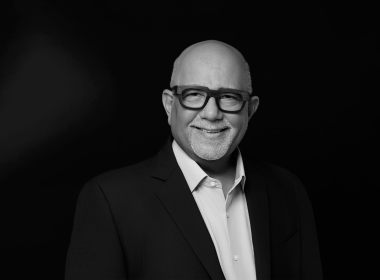



People often sit down to write a will with one specific day in mind. They worry about what happens to the house, the savings, and the family business after they are gone. For David Michael Mares, Founder of Socius Wealth Management, that focus misses an equally serious risk. “What happens to your financial life if you’re still here but no longer able to manage it?” he asks, pointing out that this simple question is the one families overlook most often.
Planning For Life Before Death
Talk to most savers about estate planning, and the conversation quickly turns to death and taxes. People want to know who gets the cash and how to keep the government out of their pockets. But a good estate plan also has to work while a person is still breathing. “Your financial life doesn’t stop simply because you can no longer manage it yourself,” Mares explains.
When an accident happens or an illness sets in, daily life keeps moving forward regardless of your health. The mortgage needs paying, accounts need balancing, and doctors need quick answers on care. As Mares puts it, “Someone may need to pay your bills, communicate with financial institutions, manage accounts, or make important decisions on your behalf.” If no one has the legal right to sign those papers, everything stops in its tracks.
That sudden pause creates a massive headache for the people left in the room. Without clear paperwork ready to go, banks and doctors will not talk to anyone, no matter how close they are to the family. This is why Mares pushes his clients to look past basic inheritance questions early on. As he notes, it brings up a central issue that many never face: “Who has the legal authority to step in if you can’t?”
Why Bloodlines Do Not Equal Legal Power
A dangerous assumption sits quietly inside many households. Spouses often believe their marriage license gives them total power over joint and solo accounts alike. Parents think their adult children can simply walk into a bank and sign checks during an emergency. Mares runs into this line of thinking constantly, and he is quick to set the record straight: “Family relationships and legal authority aren’t necessarily the same thing.”
When a medical emergency strikes, privacy laws and bank rules tie the hands of loved ones. If the right names are not on the legal paperwork, spouses can get locked out of critical funds right when hospital bills roll in. “Without proper planning, your family could find itself trying to navigate financial and medical decisions during an already difficult time,” Mares points out. It is a harsh shock for families who thought they were fully covered.
Fixing that mess after the fact often means going in front of a judge to get court approval. That process takes time, costs money, and adds needless stress to an already painful period. Having basic powers of attorney and medical directives signed ahead of time solves the problem before it starts. It gives trusted people the green light to act right away without asking a courtroom for permission.
Putting the Pieces Together
Too often, financial planning gets chopped up into separate silos. One person handles the taxes, an insurance agent sells a policy, and a lawyer drafts a will that sits untouched in a drawer. Mares argues that treating these tools as unrelated projects leaves blind spots. If the different parts do not talk to each other, the whole system can fail when pressure hits.
“The goal isn’t just to transfer wealth; it’s to create continuity,” Mares says. “Your retirement income strategy, your investments, your tax strategy, insurance, and estate plan shouldn’t exist as separate pieces.” When these tools are built to work as one unit, money flows where it needs to go without delays. That kind of setup protects daily operations and keeps living expenses paid, even if the primary earner cannot speak.
Building that kind of safety net requires bringing everyone to the same table. At Socius Wealth Management, Mares works side by side with legal teams so that tax plans and estate documents line up cleanly. This joined-up work stops families from paying extra taxes or getting caught in probate red tape. It turns a stack of legal papers into a working roadmap that actually helps in real time.
Preparing People, Not Just Papers
Even the best legal documents are useless if nobody knows where they are or how to read them. Leaders need to talk openly with the people they have picked to run their affairs. When family members understand what is expected of them, they can step in smoothly instead of second-guessing every move. Clear talks today prevent bitter fights and confusion tomorrow.
Education is the real bridge between writing a plan and making sure it works. Taking the time to walk loved ones through likely scenarios takes the fear out of the process. It helps people spot gaps in their setup while there is still time to fix them quietly. That open dialogue turns what could be a daunting emergency into a manageable task for everyone involved.
Good planning is about much more than signing a will and hoping for the best. It is about giving the people you care about the tools and permission to protect what you built together. “Because good planning isn’t only about deciding what happens to your wealth, it’s about making sure the people you trust know what to do when you can’t,” Mares notes. Facing these realities today gives families peace of mind no matter what happens tomorrow.
Follow David Michael Mares on LinkedIn for more insights on wealth management, estate planning, and financial continuity.