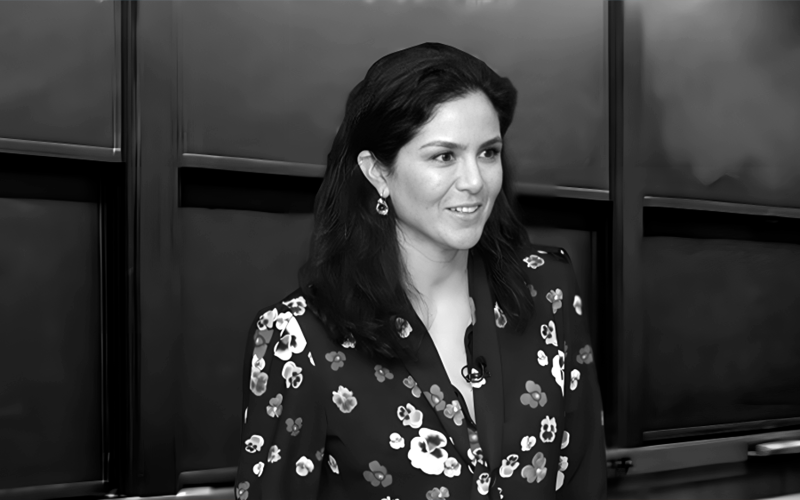



Every organization has rooms where the stated agenda is not the real one. Credit migrates upward, information gets rationed as currency, and meetings run on a second track nobody names out loud. The standard professional advice for that situation is to wait it out or get out, which assumes an exit exists and that talent can simply relocate to a healthier culture. Most people cannot, at least not on demand. Natalie Stavola, a human behavior and relationship expert who works with leaders on the subconscious patterns shaping their decisions and results, argues the framing itself is the trap. The question is not whether the environment is fair. It is whether a hostile environment gets to determine how someone performs inside it, and her answer is that it does not have to.
Read The Behavior Instead Of Reacting To It
The instinct in a hostile room is to treat aggression as information about yourself. Someone withholds a document, talks over a contribution, or reassigns credit, and the target starts doubting their own competence. Stavola turns this on its head. “Hostility is almost always about the person expressing it,” she says. “Fear of being exposed, fear of losing status, fear of being replaced.” That reframe matters commercially, not just emotionally. A professional who interprets sabotage as a verdict on their ability begins hedging, over-explaining, and seeking approval from the very person causing their self-doubt. Performance drops, which appears to confirm the verdict.
Diagnosis buys back the reaction. “When you see the driver behind the behavior, you stop taking it personally, and you stop handing over your reaction,” Stavola says. The phrase worth sitting with is handing over. A reaction is something the other party wants and cannot gain without cooperation. Visible frustration, defensive emails, and rushed explanations show the pressure is having the desired effect, and encourage the aggressor to continue their tactics. Withholding the reaction is not stoicism for its own sake. It removes the feedback loop that keeps the behavior profitable. Leaders who learn to identify the fear underneath a colleague’s move tend to respond to the situation in front of them rather than to a story about their own inadequacy, and that difference shows up in the quality of the decisions they make next.
Get Deliberate About What You Give Away
Functional workplaces run on default generosity. People share information freely, take calls, absorb extra work, and assume reciprocity because reciprocity is normally how it goes. In a culture where credit gets taken and information gets withheld, that default becomes a liability. Stavola treats the inputs as assets with a price. “In a difficult culture, your access, your energy, and your information all have value,” she says. “Decide in advance who earns them.” The operative words are in advance. Deciding in the moment, under pressure, with a senior colleague waiting, produces the generous answer every time, which is precisely how the asymmetry gets built.
The practical mechanics are not exciting and are so easy to dismiss as defensive. Stavola does not accept the framing. “Document your work. Communicate in writing when it matters. That’s not paranoia. That’s operating with clear terms in a place that doesn’t offer any.” A verbal agreement in a high-trust team is a perfectly reasonable instrument. In a room where attribution is contested, it is an unenforceable one. Writing things down does not accuse anyone of anything; it simply establishes a record that does not depend on anyone else’s memory or goodwill. Anyone who has watched a contribution quietly reassigned in a quarterly review understands that the person who documented is not the paranoid one. The discipline also does something less obvious. It forces clarity about what was agreed at the time, which tends to reduce the ambiguity upon which hostile actors rely later on.
Protect Your Identity Outside The Building
The most damaging effect of a hostile environment is not blocking a promotion – it is rewriting a person’s sense of their own competence, slowly, using the only mirror available. When the office is the primary source of feedback on someone’s worth, and that office is structurally unfair, the verdict is foregone. “Hostile environments work by making you doubt yourself,” Stavola says. “The defense is a life and a set of relationships that remind you of who you are when the office says otherwise.” An outside anchor is not a wellness recommendation. It is a second data source, and without one there is nothing to check against the first.
The consequence Stavola identifies is strategic rather than therapeutic. “People who keep an outside anchor make far better decisions inside, including the decision to leave.” Someone whose entire identity is sourced from a hostile workplace cannot evaluate an exit clearly, because leaving confirms the doubt the environment has made them believe. They stay too long, negotiate from fear, and accept terms they would reject if they believed the market wanted them. The person with a stable sense of self outside the building can weigh an offer, a stand, or a resignation on the merits. The anchor is what makes a genuine choice possible. “You will not change a hostile culture by absorbing it,” Stavola says. “You win by staying clear, staying deliberate, and staying yourself.” Absorption is the failure mode most professionals default to, on the theory that patience and goodwill will eventually shift the room. It rarely does. What it reliably shifts is the person doing the absorbing, and that is the loss worth guarding against.
Follow Natalie Stavola on LinkedIn for more insights on human behavior, relationship dynamics, and navigating difficult workplace cultures.