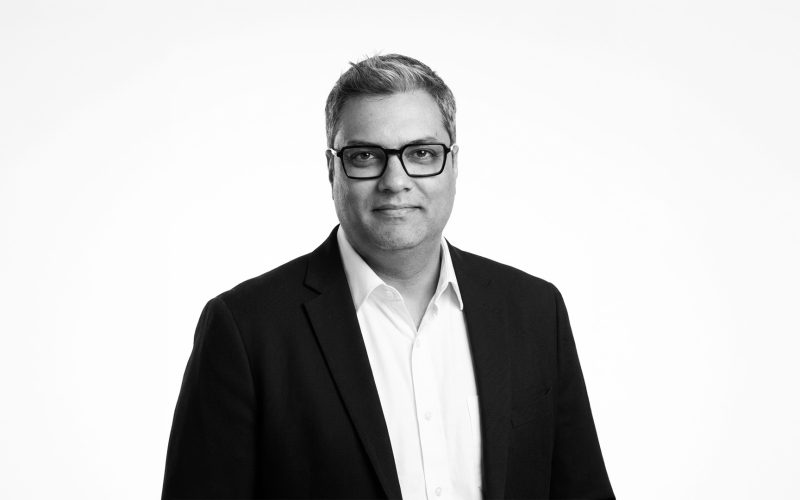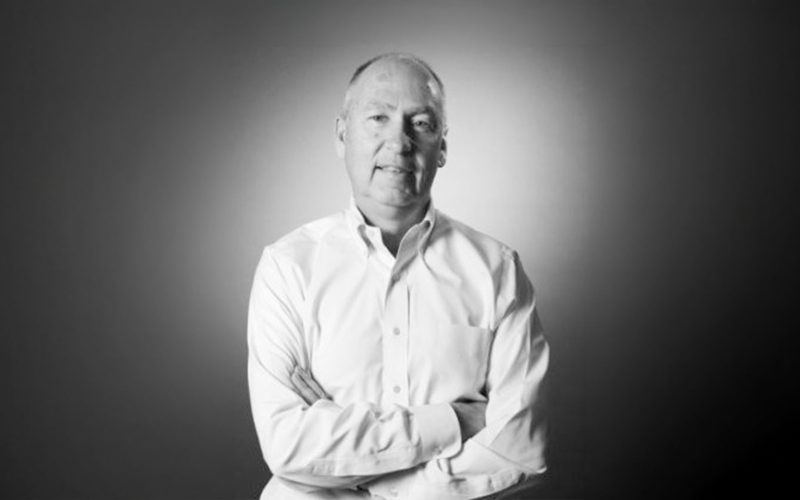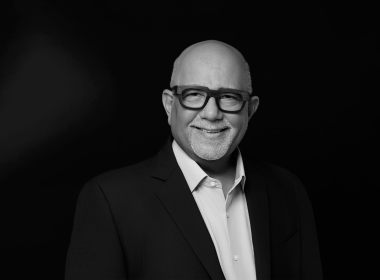



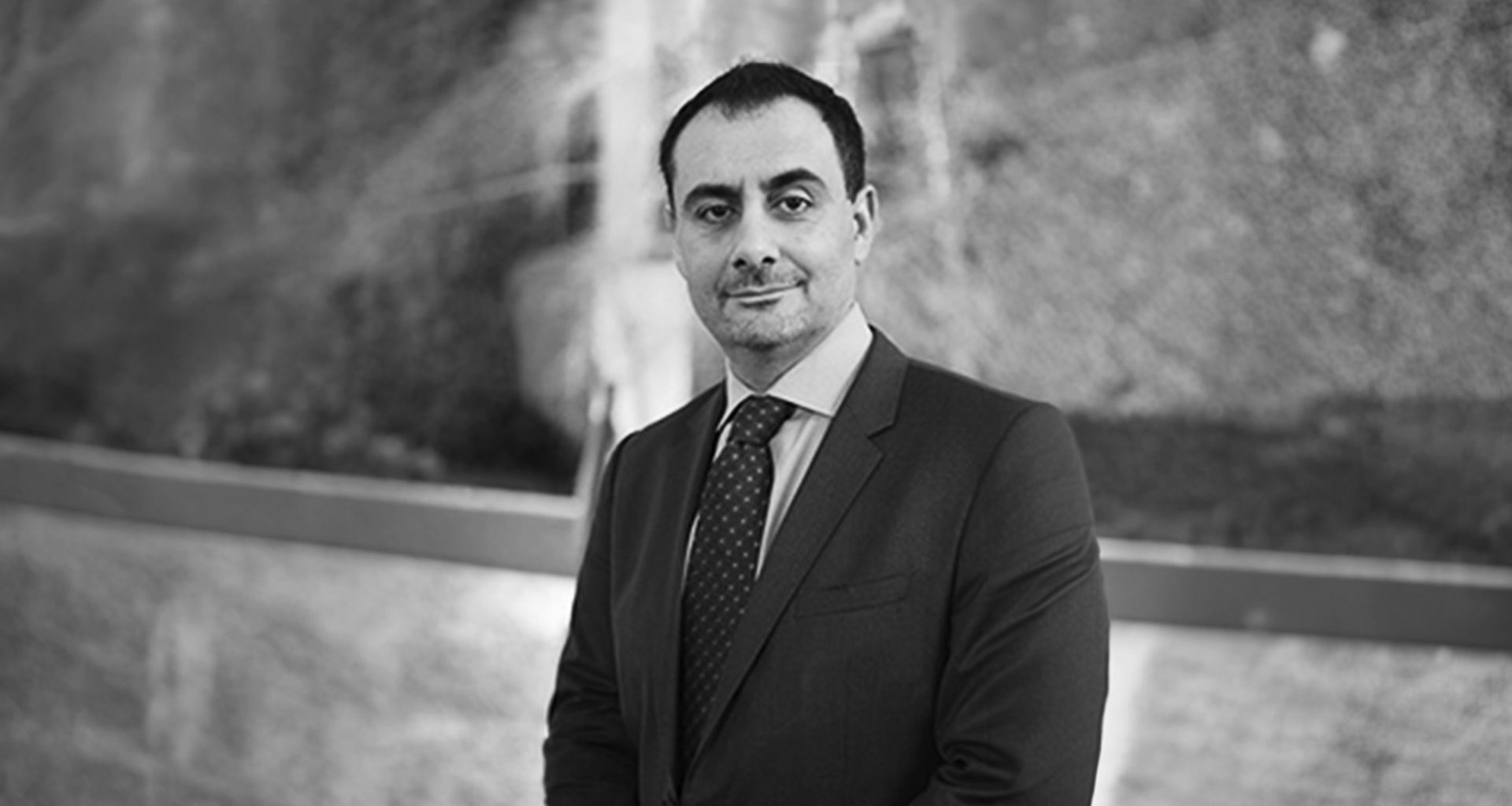
For decades, patients facing complex digestive diseases had limited options. Serious conditions of the pancreas, bile duct, or gastrointestinal tract normally meant surgery, large incisions, significant recovery time, and meaningful risk. That equation is changing. Advanced endoscopic procedures are fundamentally altering what is possible in digestive care, and the physician at the center of expanding access to these procedures globally is Dr. Michel Kahaleh, Founder and Chief Executive Officer (CEO) of FITE, the Foundation for Interventional and Therapeutic Endoscopy, and Chief of Endoscopy at Robert Wood Johnson University Hospital. “The future of digestive care is here,” Kahaleh states, “and together we can make it safer, more accessible, and more effective for patients everywhere.”
Less Invasive Care Means a Fundamentally Different Patient Experience
The most immediate transformation advanced endoscopy has brought is a shift in how treatment actually feels for the patient. Rather than large surgical incisions, advanced endoscopic procedures use the body’s natural openings to diagnose and treat complex gastrointestinal (GI) conditions. The clinical difference is measurable: less pain, fewer complications, shorter hospital stays, and faster return to daily life. For many patients, what was once a weeks-long surgical recovery becomes a matter of days.
This shift matters not just medically but personally. A patient facing a serious GI diagnosis carries fear alongside the physical burden, fear of the procedure, fear of the recovery, and fear of what comes after. When the intervention itself is less traumatic, the entire experience of receiving care changes. The clinical outcome improves, and so does the patient’s relationship with the treatment they are receiving.
Expanding What Is Possible in Digestive Care
Therapeutic endoscopy has extended the range of conditions that can be treated without surgery in ways not available a decade ago. Conditions involving the pancreas, bile duct, GI cancers, obesity, and other complex digestive diseases can now often be managed through highly specialized endoscopic techniques. Physicians have more tools. Patients have more minimally invasive choices. The range of conditions that once had only surgical solutions continues to narrow.
But Kahaleh is precise about where the real limitation lies. Innovation matters only if it is delivered safely and consistently, and it requires trained physicians, rigorous standards, and access to advanced techniques across the global community of endoscopists, not just in leading academic centers. That conviction is what FITE was built around: a mission-driven organization created by interventional endoscopists for interventional endoscopists, focused on improving outcomes through training, research, credentialing, and expanding access to advanced procedures. Better care requires both innovation and infrastructure to deliver it reliably at scale.
The Patient Must Remain at the Center
At the heart of every procedure is a person looking for answers, relief, and hope. Advanced GI care is not only about technology or technique. It is about reducing fear, improving communication, and ensuring that patients feel they are receiving care that is both cutting-edge and genuinely attentive to their experience. The most sophisticated endoscopic intervention in the world delivers its full value only when the patient feels heard, understood, and confident in the hands treating them.
That patient-centered orientation is what keeps the field honest about its purpose. The measures of success in advanced GI care are not only clinical but also experiential. How quickly a patient recovers, how clearly they understand their options, how supported they feel through the process – these outcomes matter as much as the procedure itself. The future of digestive care will be shaped by how well the field integrates innovation, education, and genuine compassion for the people at the center of every decision.
Follow Dr. Michel Kahaleh on LinkedIn for more insights on advanced GI procedures, therapeutic endoscopy, and the global mission to make digestive care safer and more accessible worldwide.