


Most digital commerce strategies are not failing because of bad creative, insufficient data, or inadequate media budgets. They are failing because those three things have never been connected. Brand teams optimize for awareness, retail teams optimize for conversion, and media teams optimize for efficiency. The consumer, moving fluidly across every touchpoint, encounters a brand that feels like three different companies.
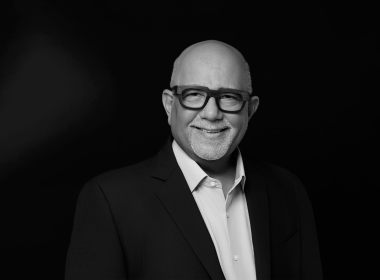
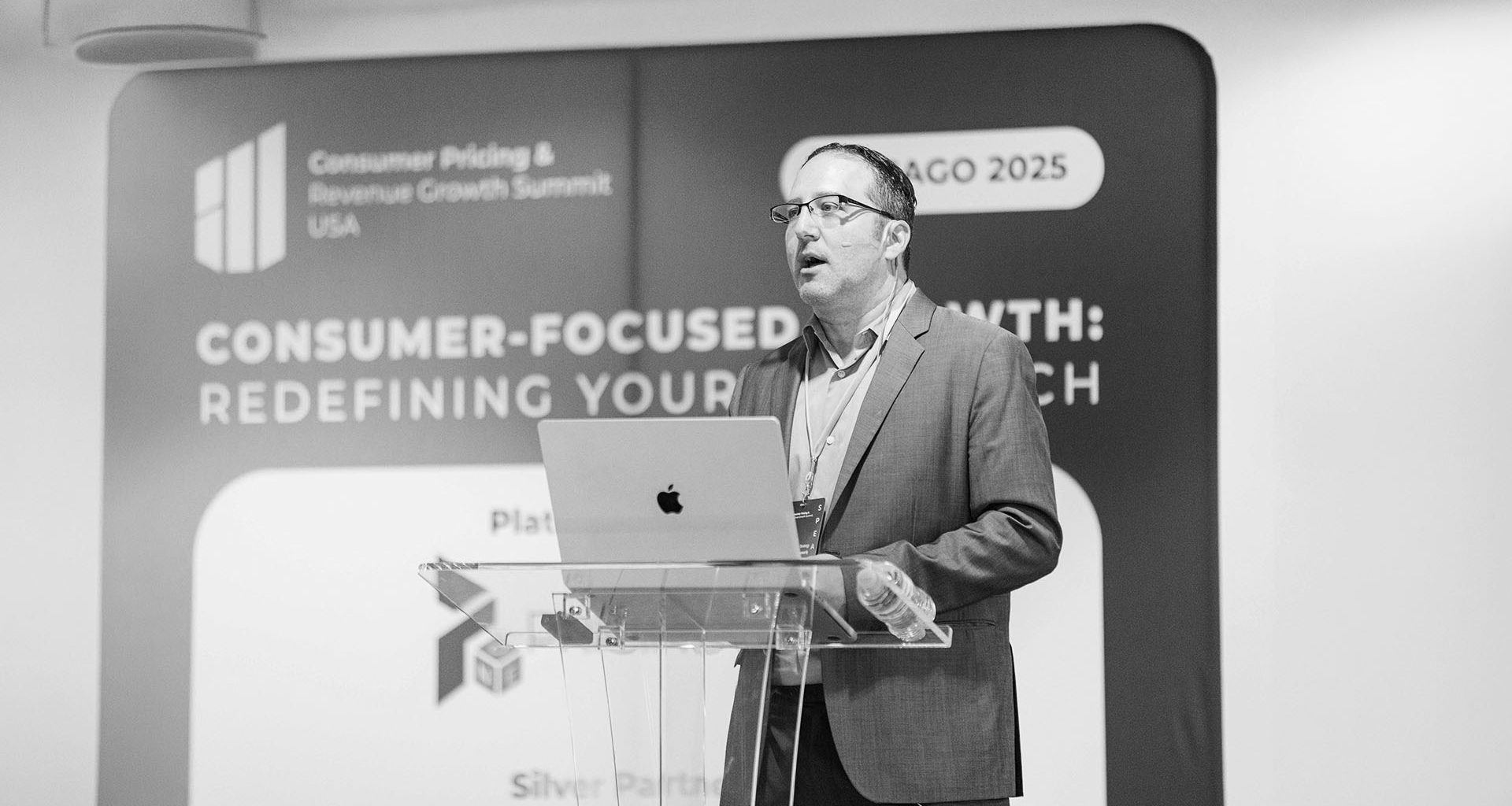
Mark Yessin, a media and marketing strategy leader who has led digital commerce transformation at global brands including Mars, Hain Celestial, and Reckitt, has spent his career solving that problem and building frameworks that turn disconnected functions into unified, high-velocity commercial systems. “The future belongs to brands that build flexible systems, cross-functional trust, and a culture of accountability,” Yessin states. “Digital commerce transformation is about leadership.”
Strategy Has to Be a Living System, Not a Plan
The most common failure mode in digital commerce is treating strategy as a document rather than a dynamic operating model. Markets shift, consumer signals change, and retail conditions evolve faster than annual planning cycles can keep pace with. By the time a strategy reaches execution, the conditions it was built for have already moved.
Yessin’s approach is to build strategy as a connected system, one in which data signals drive continuous refinement rather than waiting for the next planning cycle to catch up. At one of the global consumer goods organizations he led, he built an agile framework connecting media investment directly to net demand and return on advertising spend (ROAS) thresholds, aligning brand teams, finance, and retail operations in real time.
The result was organizational alignment around a shared set of signals: as data moves, the strategy moves with it, and every function knows why. That kind of connectivity between intelligence and action is what separates organizations that adapt quickly from those that react slowly and expensively.
Retail Media Is a Brand Channel
The conventional separation between brand media and retail media has become one of the most expensive organizational assumptions in consumer goods. Retail media is not simply a lower-funnel activation tool. Positioned and executed correctly, it functions as a brand-building channel – one that reaches consumers at the precise moment of purchase intent with the authority and context of the retail environment behind it.
At Hain Celestial, Yessin treated retail media as exactly that. By embedding shopper insights and e-commerce signals directly into planning, the team drove over 30% e-commerce growth and double-digit return on investment (ROI). The mechanism was a unified measurement model that aligned sales and media under the same framework, so that investment decisions could be evaluated against shared outcomes rather than siloed metrics that optimized one function at the expense of another. “The trick was aligning sales and media under one unified measurement model,” he reflects.
Transformation Is Organizational, Not Technological
The greatest unlock in digital commerce transformation is not the technology stack. It is the people operating inside it. Across his work at Mars and Reckitt, Yessin found that the most significant performance gains consistently came from alignment, marketing with retail partners, creative with shopper teams, and media with revenue goals. When every function operates from the same dashboard and is oriented toward the same commercial outcome, organizational velocity increases, and the friction that consumes resources without generating results begins to disappear.
That alignment is not built through better reporting tools or more frequent cross-functional meetings. It is built through leadership that makes the connection between each team’s work and the shared commercial outcome explicit, visible, and consistent over time. The brands that will define the next era of digital commerce are the ones where every team understands how their decisions move the needle, and where the systems are designed to keep them connected when conditions inevitably change.
Follow Mark Yessin on LinkedIn for more insights on digital commerce transformation, omnichannel strategy, and building the cross-functional frameworks that drive measurable growth.