

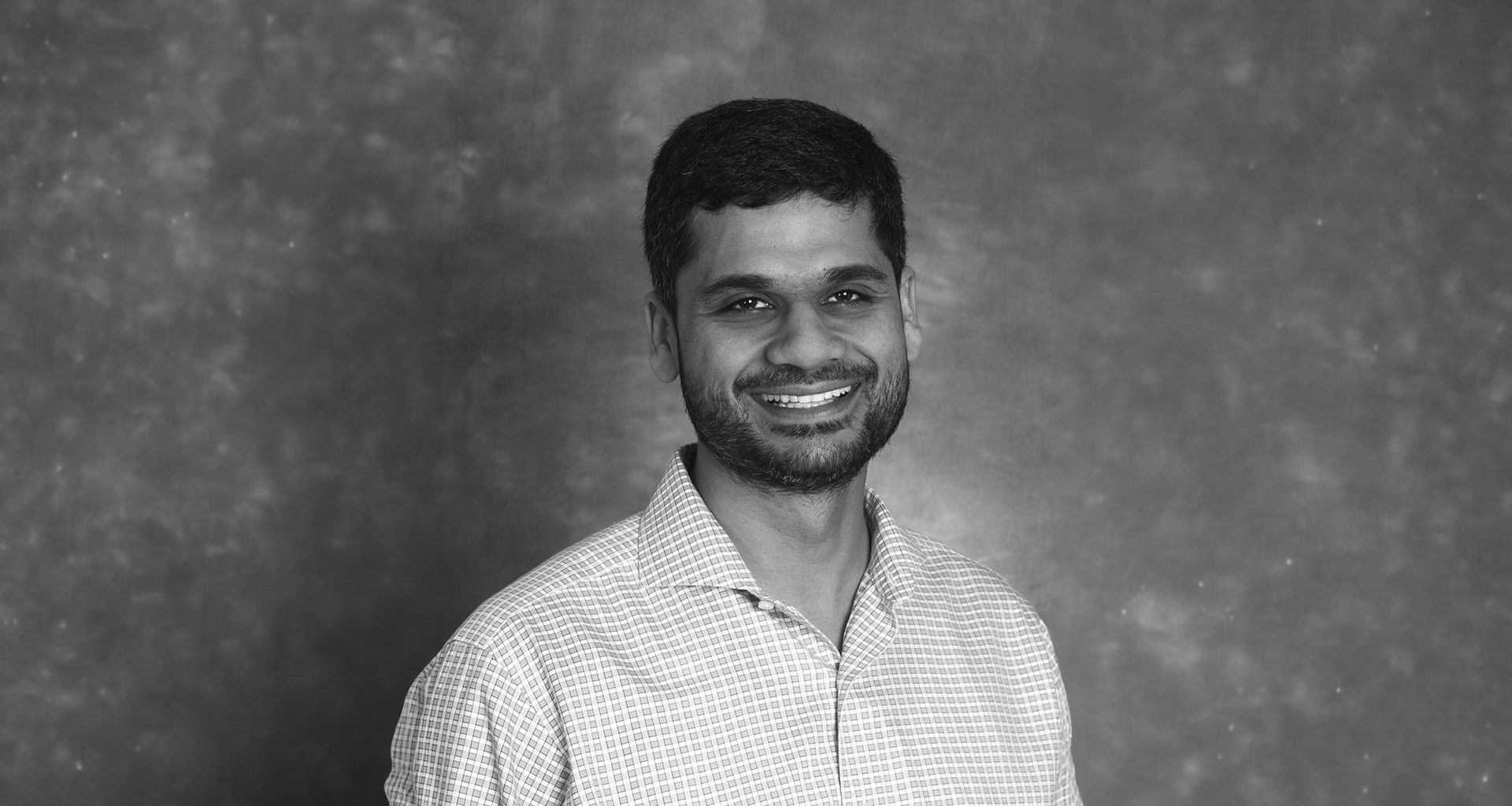
Most entrepreneurs face the same dilemma: build conservatively and risk stagnation, or expand aggressively and risk collapse. Farooq Cheema, president and founder of ForgeScale, solved this by doing neither and both. Over 15 years, Cheema has built and scaled ventures across commercial cleaning, freight brokerage, e-commerce, and dental supply. With an engineering background and five U.S. patents, he has developed systems that have generated millions in additional revenue. His approach is not about chasing every opportunity or playing it safe. It is about building what he calls a core-satellite business model that balances stability with intentional growth.
Start with a Stable Core, Then Expand Outward
Cheema’s strategy begins with establishing one strong, cash-generating business, the core. This is not the flashiest venture or the fastest-growing market. It is the foundation that funds everything else. Once that core is stable, he adds satellites. These are targeted ventures in adjacent or entirely different markets. Each satellite serves a specific purpose. Some are experimental, designed to test new sectors with limited capital. Others are focused niche plays built to capture overlooked opportunities. What matters is that each satellite operates independently, insulated from the core’s risk profile.
When launching his freight brokerage while running commercial cleaning operations, Cheema saw this structure work in practice. “The core business gave me the runway to test new markets without betting everything,” he explains. “If the satellite failed, the foundation stayed intact.” When one industry slowed, revenue from freight brokerage helped offset pressure in commercial cleaning, protecting the overall business.
Diversification Isn’t About Volume, It’s About Intent
Operating across multiple markets does not mean launching businesses at random. Cheema approaches diversification with the same discipline he applies to engineering: define the problem, design the system, and test the hypothesis. Before entering a new sector, he evaluates risk tolerance, capital requirements, and potential return. Is the market stable enough to support sustained growth? Does it complement existing operations? Can it scale without pulling resources from the core?
“I’ve turned down more opportunities than I’ve taken,” Cheema says when discussing his move into the dental supply market. “The question isn’t whether something could work. It’s whether it fits the overall structure.” This deliberate approach has allowed him to operate successfully in industries as different as dental supply and e-commerce, each with distinct customers, economics, and operational demands. The unifying factor is not the industry but the systems thinking applied to each one.
Rebalance Constantly
Markets change. Customer needs shift. Strategies that worked a few years ago may no longer apply. Cheema regularly reviews performance across his portfolio, cutting underperforming ventures and reinvesting in areas with stronger potential. This is not about abandoning projects at the first sign of difficulty. It is about maintaining discipline. The objective is to keep the overall structure aligned with long-term goals, not short-term emotion. That discipline requires detachment from individual businesses. “It’s not about pride in a single company,” Cheema says. “It’s about building a portfolio that works.”
Build for Resilience, Not Just Growth
Building a multi-market business is not about chasing the next opportunity. It is about creating a structure resilient enough to withstand downturns and flexible enough to capitalize on upside when it appears. Cheema’s model succeeds because it balances two opposing forces: stability and innovation. Too much stability leads to stagnation. Too much expansion leads to collapse. The core-satellite approach keeps both in balance. “Most people fail because they overextend or stay too narrow,” Cheema concludes. “The answer is somewhere in between, deliberate, diversified, and disciplined.”
Follow Farooq Cheema on LinkedIn.