

Security leaders are investing heavily in artificial intelligence, yet many organizations remain exposed to a critical risk. The question is no longer whether companies are adopting AI. It is whether the systems they deploy can respond when a threat appears. Passive intelligence creates visibility, but visibility without response still leaves organizations vulnerable.
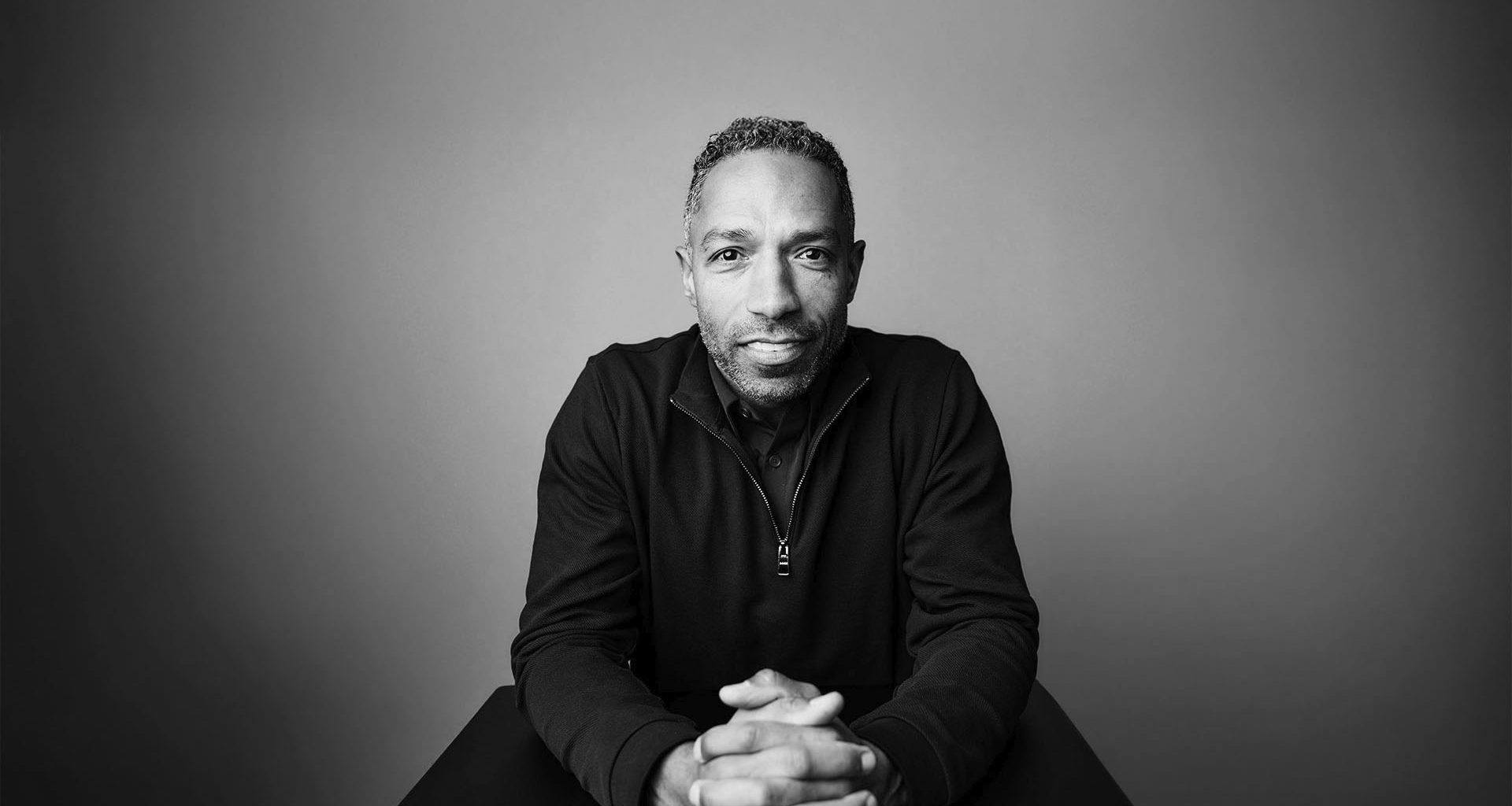
Few leaders see this shift more clearly than Tariq Amassyali, Founder and Managing Partner of Tower Patrol. Through his work designing AI-powered security solutions for remote facilities, critical infrastructure, and high-risk job sites, Amassyali has watched traditional models reach their limits and understands what modern protection now requires. The future, he believes, belongs to systems that do more than observe. They must decide and respond in real time.
AI Security Must Act, Not Observe
For years, security technology has revolved around detection. Cameras capture activity, software generates alerts, and people decide what to do next. While that approach improves awareness, it often creates delays at the very moment speed matters most. “The biggest risk organizations face today is deploying AI that can see threats but cannot act on them,” Amassyali explains. “When response lags behind detection, incidents are recorded instead of prevented.”
The new standard is agentic AI. These systems assess behavior, interpret context, and trigger action within seconds. Instead of escalating every anomaly, they focus attention on credible threats and initiate intervention immediately. The outcome is not just better monitoring, but real risk reduction. When threats are stopped earlier, organizations avoid downtime, financial loss, and reputational harm. This shift also changes what leaders should measure. Visibility alone is no longer enough. What matters is how quickly intelligence turns into action.
Security Intelligence Must Live at the Edge
Another belief being challenged is the dependence on cloud-only systems. Centralized platforms provide scale and powerful analytics, but risk does not originate in a server farm. It lives where operations happen, from remote construction sites to energy facilities, logistics hubs, and industrial locations. When decisions are made far from those environments, delay becomes unavoidable. Sometimes even seconds determine whether a situation is contained or spirals. “Intelligence has to exist where the risk exists,” says Amassyali. “When systems think locally, they respond instantly.” Edge-based AI allows infrastructure to process information right where events unfold. The impact is immediate. Response times shrink, deterrence improves, and operations face fewer interruptions. Local intelligence also keeps protection in place when connectivity drops, ensuring security is not entirely dependent on the network.
Precision Will Define the Next Generation of Security
As AI adoption grows, many organizations run into a quieter but equally serious issue: alert fatigue. When people are buried in notifications, focus weakens and reactions slow. Over time, the noise undermines confidence in the system. “The most effective security environments are not the loudest,” Amassyali says. “They are the clearest.” Smarter platforms now sift through behavioral data, highlight genuine threats, and involve human operators only when judgment is truly needed. That focus reduces fatigue, improves decisions, and allows teams to work with greater certainty. The day-to-day impact is meaningful. Professionals spend less time chasing false alarms and more time managing real exposure. Responses become more consistent. Accountability becomes clearer. Precision, rather than volume, defines effective protection.
Preparing for What Comes Next
Taken together, these developments signal a broader transformation in how security works. Observation is giving way to intervention. Central control is being complemented by intelligence at the edge. Noise is being replaced by clarity. Security is no longer about watching and waiting. It is about systems that understand what they see, make sound decisions quickly, and act responsibly, especially where the margin for error is small. “The organizations that adapt now will remain in control,” Amassyali says. “Those that hesitate will find themselves reacting to risks they could have prevented.” At a time when threats evolve quickly and assets are more distributed than ever, preparedness is essential. Leaders who embrace responsive AI will do more than strengthen protection. They will help set the standard for resilience in the years ahead.
Connect with Tariq Amassyali on LinkedIn for more insights or visit the Tower Patrol Website to learn more.