

Studies show that companies with clear role expectations and continuous feedback outperform peers by wide margins. Gallup research found that employees who receive meaningful, consistent feedback are significantly more likely to be engaged and high performing.
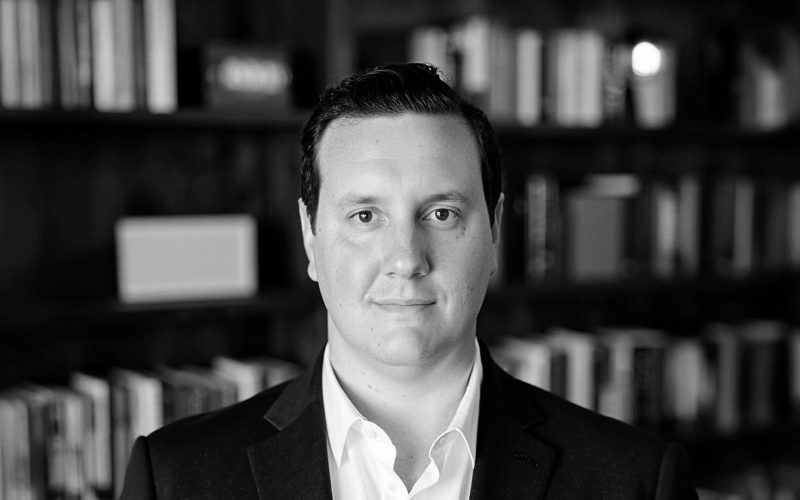
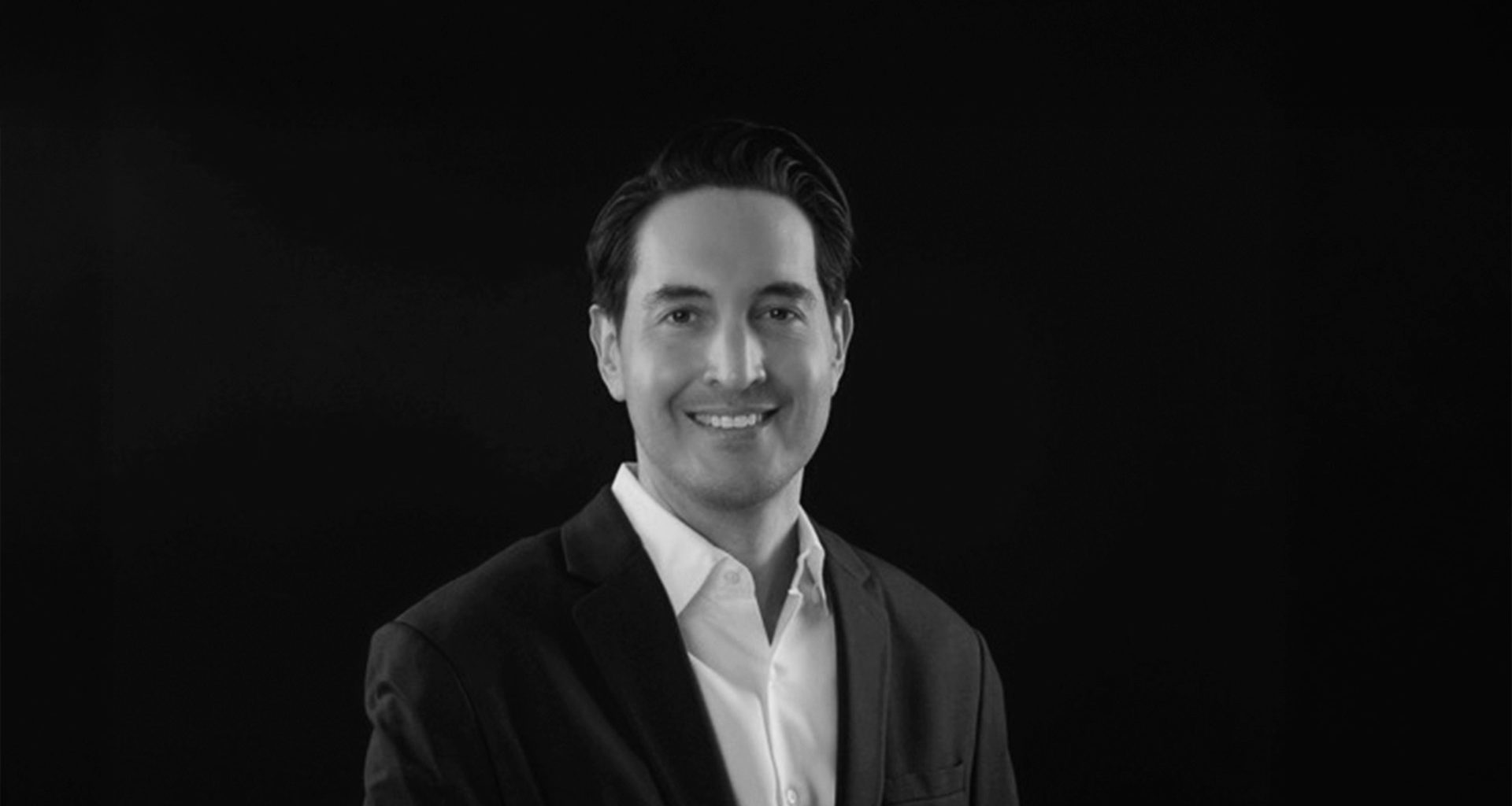
This evidence underscores a broader truth about performance systems: strong results grow from deliberate structure, not chance. “You cannot drive performance without the structure to support it,” says HR Executive Jamie Durling, whose career spans two decades of leading complex transformations across luxury retail, media, and high-growth environments. For him, talent frameworks are not HR exercises. They are operational engines that influence revenue, productivity, and long‑term agility.
Aligning Talent With Business Priorities
Many companies create talent strategies that live in isolation when strong performance is really dependent on alignment. “A talent strategy only matters if it directly supports the business strategy, not if it sits in a separate HR document,” says Durling.
Aligned talent planning can help to turn HR from a cost center into a performance driver. When Durling joined an iconic Italian luxury brand, the business was experiencing rapid growth across the Americas. As customer expectations evolved, it became apparent that the talent model needed to evolve with them. To do this, Durling led a redesign of the entire performance framework to mirror the company’s commercial priorities, leading to faster onboarding, improved mobility, and a 30% reduction in time to performance for key roles in the region.
Creating Clarity Around Excellence
If alignment sets the direction for performance, clarity gives people the ability to follow it with confidence. People cannot meet expectations they do not understand, and leaders cannot reinforce standards that have never been articulated. “Healthy performance does not happen accidentally. People need a clear picture of what excellence means inside your organization.”
To achieve that clarity, he introduced role‑specific success profiles in several organizations, detailing the competencies, behaviors, and outcomes required for success. These profiles became the backbone for hiring, development, succession planning, and total rewards.
It’s a powerful unlock for organizations that want both cultural consistency and commercial consistency, because when everyone understands what “great” looks like, accountability becomes fairer, career pathways become clearer, and high performance becomes easier to replicate.
Embedding Feedback Into Daily Work
One of Durling’s most consistent messages is that annual reviews cannot produce a high‑performance culture. They are too episodic, too backward‑looking, and too disconnected from the daily reality of employees, especially frontline teams.
“You need real‑time feedback and metrics integrated into daily workflows,” he notes. When leaders offer continuous insights, employees improve faster, become more engaged, and build new capabilities while still delivering against immediate goals. He views feedback loops as accelerators for both performance and bench strength, helping companies grow future leaders while strengthening current operations. “Enablement is a direct driver of engagement,” he says. “When teams are fully enabled to do their jobs, performance follows.”
Making Performance a System, Not a Slogan
Across his career, from luxury fashion houses to global trade show businesses, Durling has earned a reputation for merging operational rigor with people strategy. He brings finance, workforce planning, and cultural evolution into a single lens, helping leaders navigate transformations, integrations, and competitive pressures with greater confidence.
The strongest organizations are those that treat performance not as an abstract ideal but as a system: aligned to strategy, defined with precision, reinforced through feedback, and continuously measured. This balance of structure and humanity is what allows companies to scale responsibly and sustain success. “For stronger performance, do not rely on effort and enthusiasm alone,” he advises. “Build the framework.”
To follow Jamie Durling’s insights on talent, culture, and performance, connect with him on LinkedIn or visit his website.