



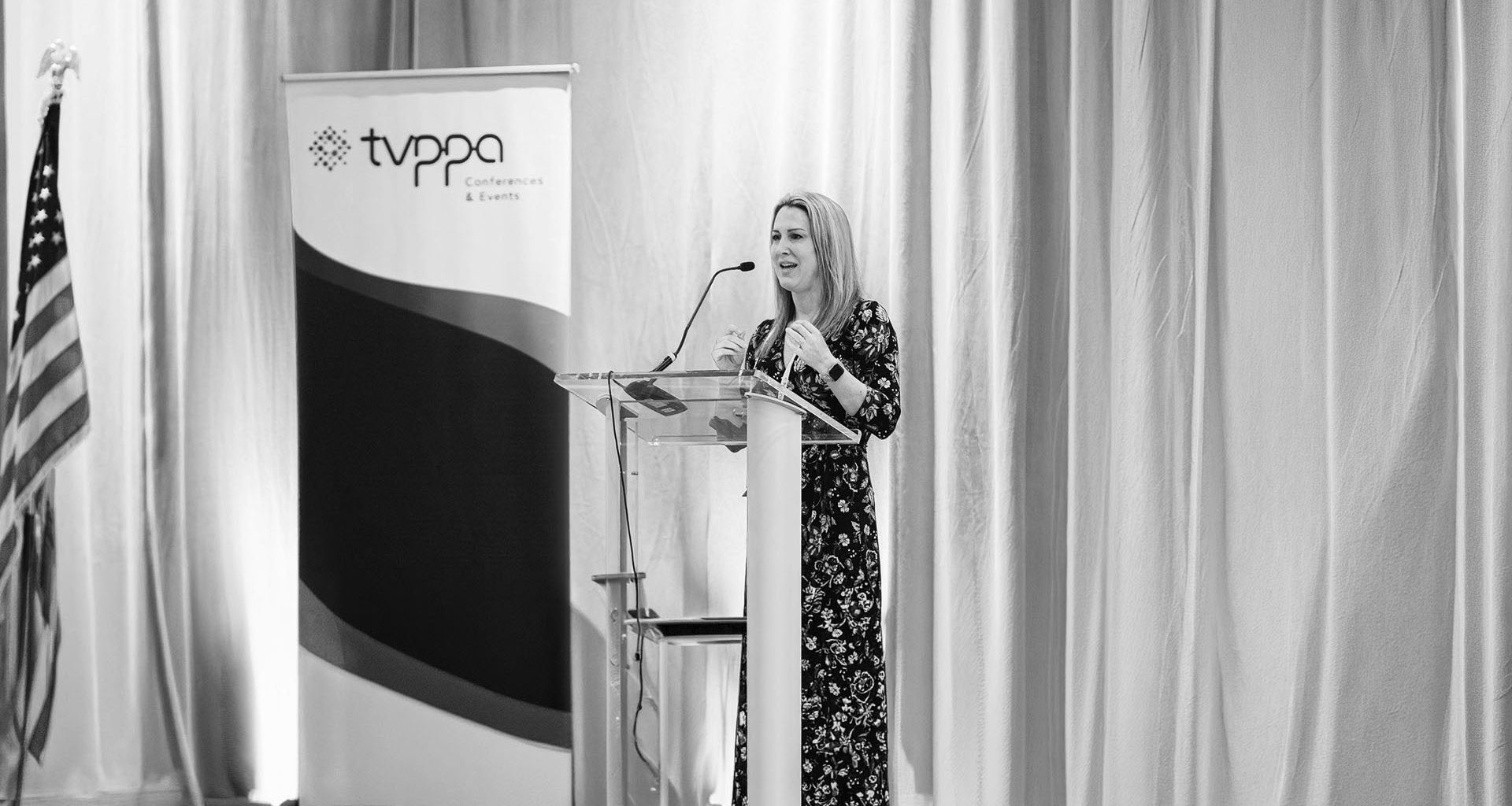
Federal energy policy increasingly shapes how utilities plan, invest, and operate. Yet for many consumer-owned utilities, these policies can feel far removed from the day-to-day realities of the communities they serve. Regulatory expectations evolve rapidly, funding structures grow more complex, and implementation timelines continue to compress. In this environment, utilities that remain reactive risk falling behind.
Elizabeth K. Whitney, Managing Principal at Meguire Whitney, has spent more than twenty years at the intersection of government relations and energy infrastructure. Drawing on experience from Capitol Hill and advisory work with utilities nationwide, she focuses on a single objective: ensuring federal policy translates into practical outcomes for the communities it is meant to support. “The question is not whether federal policy will influence your organization,” Whitney explains. “It is whether you engage early enough to help shape it.” For consumer-owned utilities, proactive engagement has become a core leadership responsibility.
Policy as a Strategic Instrument
Utilities often interpret federal legislation as settled once it is enacted. In practice, the most consequential elements take shape during implementation, when agencies seek operational insight and stakeholder input. “Policy is not static,” Whitney notes. “It is shaped by organizations that communicate their realities clearly and participate before decisions are finalized.”
Consumer-owned utilities offer qualities that federal decision-makers increasingly value. Their governance structures reinforce accountability, their planning horizons support long-term investment, and their customer relationships generate deep local trust. When these strengths are communicated effectively, they influence program design, eligibility requirements, and compliance pathways. Early engagement produces clear advantages. Utilities that participate during policy formation often gain better access to funding, benefit from more workable regulatory frameworks, and face fewer operational barriers during rollout. “Once a rule is published, the opportunity to shape it narrows considerably,” Whitney says. “Effective engagement begins well before that point.”
A Distinct Operational Perspective
Federal policy conversations often center on investor-owned utility models. While important, they do not represent the full energy landscape. “Community-owned utilities prioritize affordability, resilience, and local choice,” Whitney explains. “That perspective strengthens policy outcomes, particularly when agencies evaluate grid modernization, transmission planning, or incentive structures.”
Because these organizations operate close to the people they serve, they frequently spot implementation challenges sooner and adapt more quickly during transitions. Whitney has seen that when utilities translate community priorities into structured policy recommendations, federal stakeholders respond constructively. “When decision-makers understand how policy functions at the local level, programs become more deployable and more effective,” she says. The result is infrastructure investment that aligns more closely with national objectives and community needs.
Moving Beyond Compliance
Leading utilities increasingly treat federal policy not simply as a regulatory obligation but as a strategic lever for long-term value creation. “The most effective organizations align capital planning with federal priorities, maintain consistent engagement across agencies such as the Department of Energy, the Environmental Protection Agency, and the Federal Energy Regulatory Commission, and build coalitions that amplify their voice,” Whitney says.
This posture produces measurable benefits, including stronger access to federal funding, reduced regulatory uncertainty, deeper institutional relationships, and earlier visibility into emerging policy directions. In a sector defined by grid transformation, electrification, and rising resilience demands, these advantages enable more confident decisions. “Strategy converts uncertainty into opportunity,” Whitney adds. “Compliance alone rarely achieves that outcome.”
Leadership at the Policy Table
Energy policy delivers the greatest impact when it reflects the operating conditions of the communities that power the grid. Consumer-owned utilities do not need to adjust passively to frameworks defined elsewhere. Their insight is critical to designing policies that work at scale. Earning a seat at the policy table requires message discipline, sustained engagement, and alignment between organizational strategy and federal priorities. Utilities that build these capabilities position themselves to influence the direction of the energy transition rather than react to it. “If we lead with clarity, collaboration, and community values,” Whitney concludes, “we can help build an energy future that is more affordable, resilient, and strategically sound.”
For more insights, connect with Elizabeth K. Whitney on LinkedIn.