



Most organizations do not collapse because of strategy. They collapse because of the gap between what they say they value and what they actually reward. We value development, but nobody is held accountable for growing people. We want honest feedback, but the truth is harder to speak. Bring your whole self to work, but only the parts that make leadership comfortable.
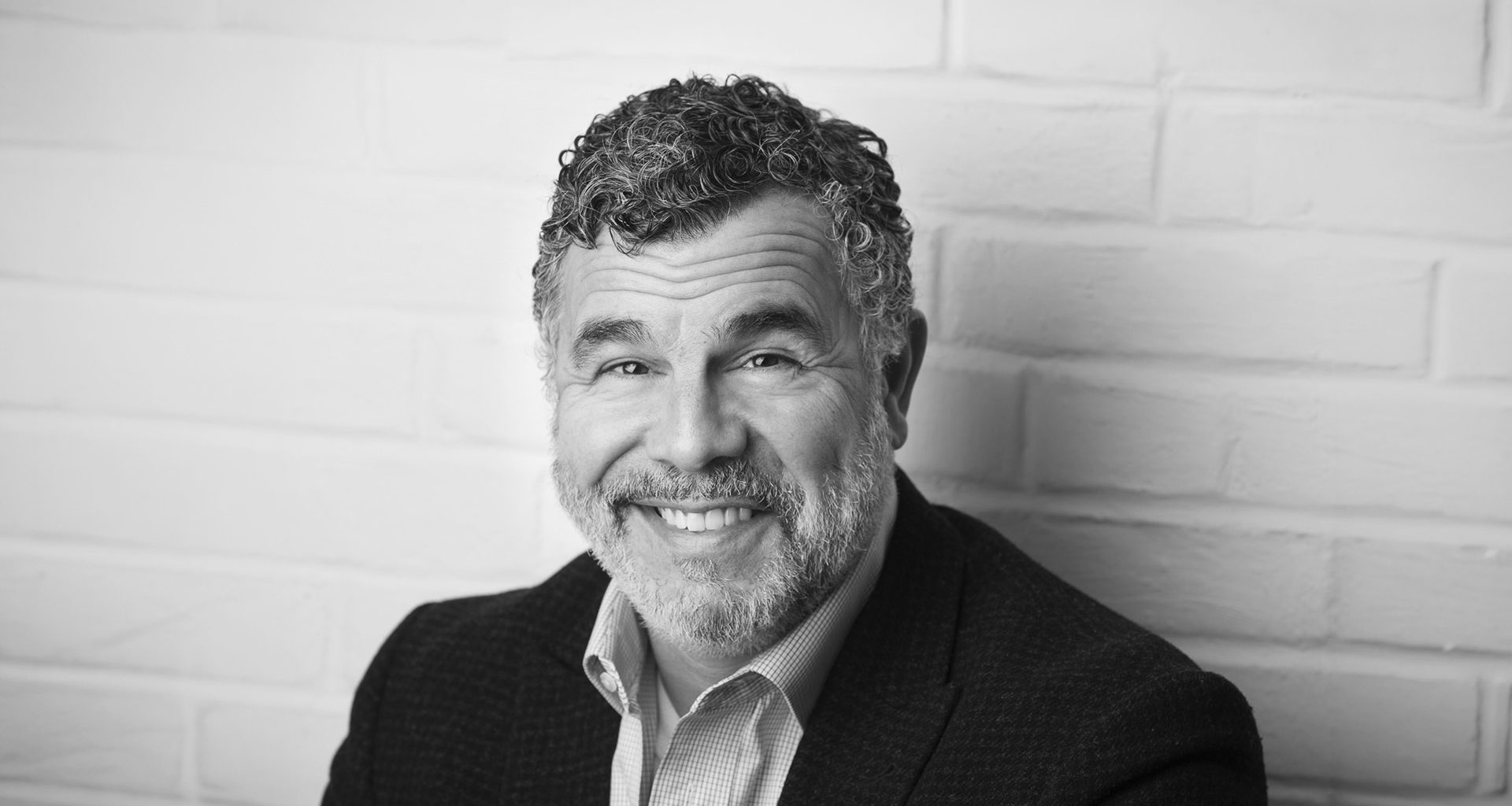
Thane Bellomo, founder of Bellomo Leadership, executive coach, and organizational development practitioner who has led enterprise talent systems for organizations with 15,000 employees across 25 years, has a precise name for what this produces. “The culture you tolerate is the culture you design,” Bellomo says. “Accountability doesn’t thrive in comfort. It thrives in courage.”
Vagueness Is Not Kindness. It Is Avoidance
Accountability cannot exist without clarity, and clarity requires more than values on a wall. Most organizations articulate what they believe in without ever defining what it looks like in practice. If performance is valued, it needs to be defined. If development is valued, it needs to be measured. If teamwork is valued, it needs to be rewarded. Without that specificity, values are aspirational decoration rather than operational standards.
When Bellomo built enterprise-wide talent systems, the work was not about discussing leadership. It was about defining behaviors, linking them to succession planning, and tying them directly to performance outcomes. Accountability becomes meaningful when expectations are specific and consistently enforced across every level of the organization. “Clarity is kindness,” Bellomo says. “Vagueness is avoidance.” The organizations that struggle most with accountability are the ones that set no standards at all and then wonder why behavior is inconsistent.
Culture Is Shaped by What Gets Rewarded and What Gets Tolerated
Training does not shape culture. What leaders reward and what they tolerate shapes culture, and the two are rarely aligned in the way organizations want to believe they are. When high performers who damage teams get promoted, the organization does not have a performance culture. It has a politics culture. When courageous feedback leads to isolation, the organization does not have psychological safety. It has compliance dressed up as candor.
Organizations where accountability thrives share a common characteristic: consequences are predictable, development plans carry real weight, promotions are earned against defined criteria, and poor behavior is addressed directly rather than managed around. “Fair and consistent systems create trust,” Bellomo says, “and trust is the foundation of accountability.” The distance between what an organization claims to value and what it actually reinforces is not a culture problem. It is a leadership problem, and it requires leadership decisions to close it.
Feedback Is a Muscle, Not an Event
Accountability built at the top without feedback mechanisms at every level is fragile. It depends on individual managers having the courage to tell the truth in a system that has not made that safe or expected. Real accountability is an ecosystem, one where leaders model receiving feedback without defensiveness, teams develop the skill of giving feedback without aggression, and the system supports honest conversations rather than sanitizing them.
In high-performing enterprises, feedback is frequent, specific, and focused on growth rather than judgment. It is not personal. It is professional and expected. “When feedback becomes normal,” Bellomo says, “courage becomes contagious.” That contagion is what transforms accountability from a management initiative into an organizational trait, something that persists regardless of who is in the room, because it has been built into how the organization operates at every level.
Designing a culture where accountability thrives does not require harsher management. It requires honest leadership, the courage to tell the truth about standards, to align rewards with values, and to invite the kind of feedback that makes both possible.
Follow Thane Bellomo on LinkedIn for more insights on accountability culture, executive coaching, and building organizations where performance and candor are both expected.