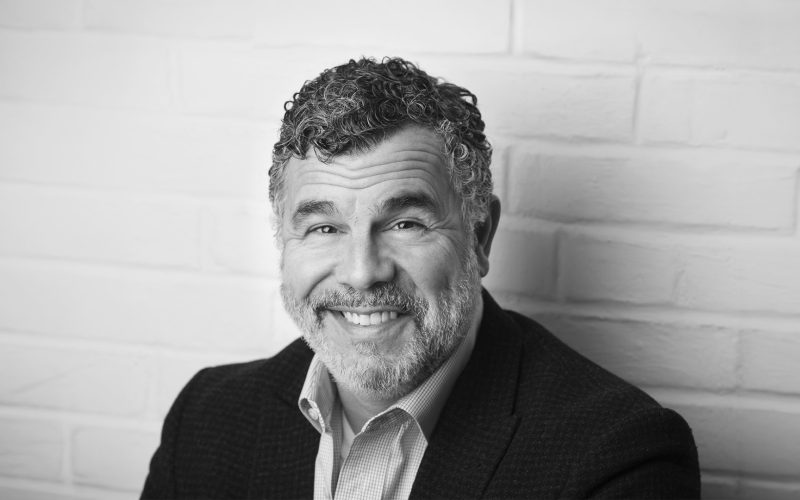



The threat that takes an organization down is rarely the one nobody saw coming. It is the one leadership knew about and treated as someone else’s problem. Mike Coogan, technology executive and Chief Information Security Officer with more than two decades leading cybersecurity and IT transformation across multiple industries, has spent his career closing the gap between organizations that respond to risk and those that are genuinely prepared for it. His position on where most organizations are failing is precise. According to Coogan, organizations fail because “it’s not the change that surprises us, it’s the speed.”
Security Belongs at the Beginning, Not the End
The most expensive place to address risk is after the product is built, the system is deployed, or the contract is signed. By that point, the cost of correction is exponentially higher than the cost of prevention would have been, and the organizational pressure to proceed regardless has already accumulated.
Yet most organizations still treat security as a final checkpoint, a gate to pass through rather than a discipline embedded in how decisions get made from the start. Whether the initiative involves AI adoption, cloud migration, or edge computing, risk conversations need to be part of the brainstorming rather than the approval process.
At one organization, Coogan’s team conducted a systematic review of legacy policies, expanding those aligned with the corporate direction and eliminating those that were irrelevant, inconsistently enforced, or strategically disconnected. The exercise was a deliberate effort to ensure the security posture reflected where the business was actually going, not where it had been. Embedding risk thinking into the innovation process from the outset changes the quality of every decision downstream.
Risk Is a Board Conversation, Not a Technical One
Cybersecurity has a communication problem at the leadership level. Technical teams speak in threat vectors and vulnerability scores. Boards need to understand reputational exposure, financial consequences, and strategic implications. The gap between those two vocabularies is where risk festers, not because leadership does not care, but because the information being presented does not connect to the decisions they are responsible for making.
At Waste Management, Coogan developed consistent reporting artifacts and a reliable cadence aligned with enterprise risk priorities. The content translated complex threats into business impact in language that the board could act on. “That shifted the entire tone of the conversation,” Coogan says. When leadership understands risk in terms of business consequence rather than technical detail, security stops being a cost center to be managed and becomes a strategic input to be leveraged.
Compliance Is the Floor. Readiness Is the Ceiling
Regulatory checkboxes create the minimum viable security posture. They do not create organizations capable of responding effectively when something actually goes wrong. The difference between compliance and readiness is the difference between having a fire evacuation plan and having a team that has practiced it enough to execute it calmly under real conditions.
Building a culture of readiness means investing in people who can think on their feet, not just follow a protocol. It means ensuring employees, vendors, and partners are aligned and capable of addressing failure points before they escalate into business disruptions. “Tools can help,” Coogan says, “but trained teams win the day.”
Risk cannot be eliminated, but it can be managed with greater intelligence, speed, and foresight than most organizations currently apply. The next wave is already forming. The question is whether leadership is building toward it or waiting to be surprised by it.
Follow Mike Coogan on LinkedIn for more insights on cybersecurity leadership, enterprise risk management, and building organizations that are prepared for what comes next.