
Organizations are drowning in data but starving for shared interpretation. Across industries, leaders are navigating a landscape where access to information is growing while the ability to interpret and apply that information lags. The pace of change has outstripped the capacity to make sense of it, creating what many executives describe as a growing coherence gap.
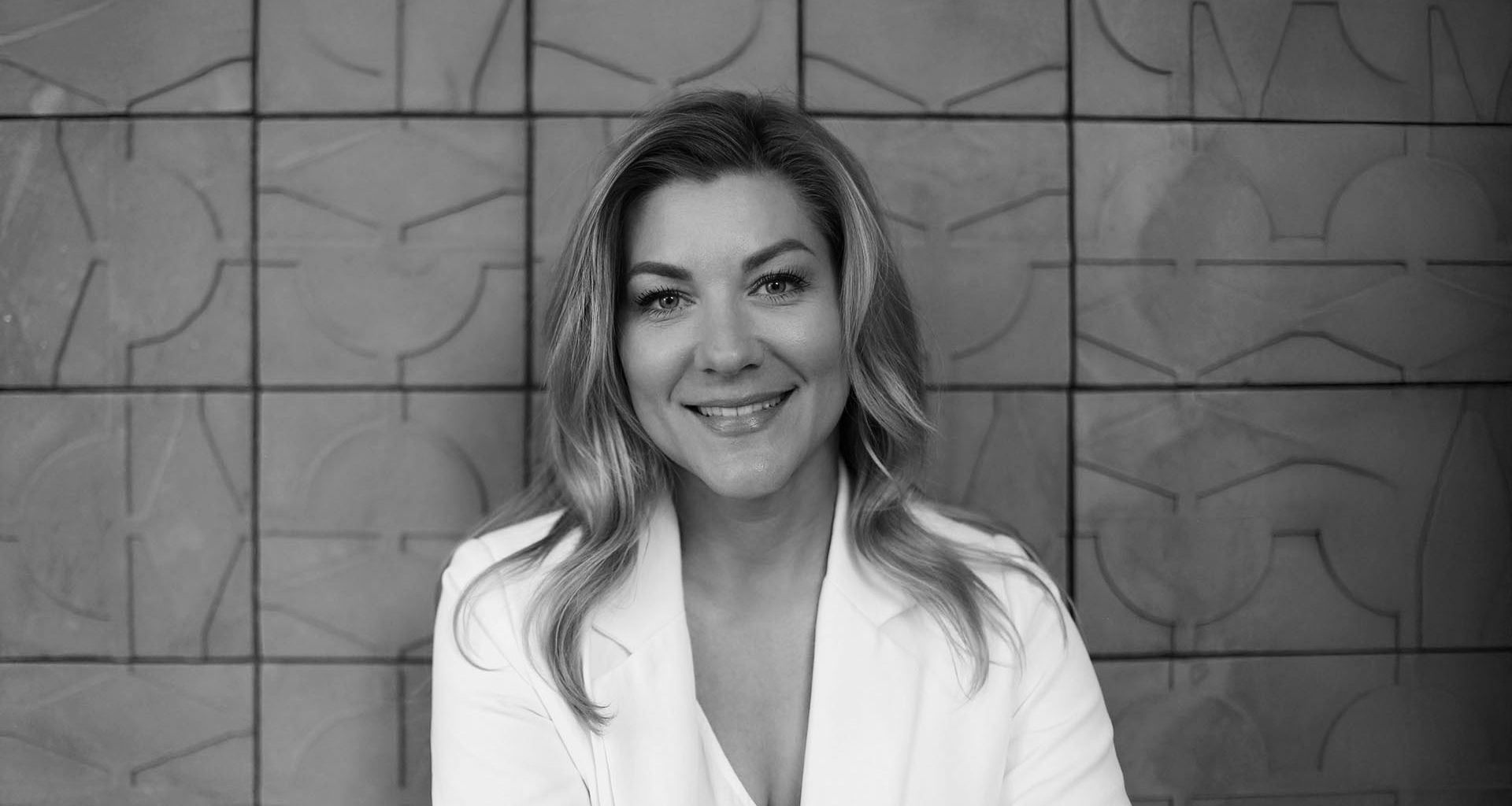
“Acceleration without shared meaning creates friction. People move faster, but not together,” says Jennifer Ybarra, Founder of The Good Human Group. When people move quickly in different directions, meaning gets fragmented across teams, tools, and priorities. It’s no surprise that progress starts to stall.
These scattered interpretations quickly lead to structural issues, and uncovers a deeper leadership challenge: coherence has become more valuable than speed because organizations cannot act on what they do not collectively understand. At The Good Human Group, Ybarra partners with leaders in education, social impact, and technology to bring clarity to complex change. Her work centers on responsible innovation: helping leaders build strategies, stories, and systems that people can believe in and act on together. The throughline is coherence and creating shared understanding so new ideas can scale responsibly and sustainably.
The Discipline of Strategic Sensemaking
Without shared interpretation, teams create parallel plans, duplicate work, and chase conflicting goals. “When people see different versions of the truth, they can’t agree on what to do next,” Ybarra says. That is the hidden cost: lost time, lost trust, and energy spent arguing past each other.
In light of these “coherence gaps,” leaders need a way to reinterpret their environment, align meaning across teams, and restore a shared understanding of what matters most. Sensemaking enters the picture as the missing bridge between information and actionable clarity. “It gives leaders a way to slow the noise so they can actually see the system they’re operating in,” says Ybarra.
Instead of reacting to the latest tool or trend, sensemaking helps leaders see the full system they are operating in and the forces that shape their choices. “You can’t plan for a future you haven’t yet interpreted,” she says. First review the signals together, then decide, then move. When people share the same picture, strategies gain traction, teams say yes faster, and programs grow beyond pilots.
During her time at Meta, Ybarra helped design and scale global learning initiatives that reached more than 30 million participants. These included multi-region partner education programs and certification pathways for community leaders. What made this scale possible was not just the quality of the programs, says Ybarra, but the shared understanding created across product, regional, and partner teams. “Once leaders share the same interpretation of the environment, everything accelerates,” she says.
Three Pillars That Anchor Future-Ready Organizations
Future-ready systems rely on three pillars that translate complexity into coordinated action.
- Narrative Architecture: A strong narrative is not just messaging. It is the backbone for choices, investments, and focus. It explains what is changing, why it matters, and what the organization plans to do about it. A clear story helps people see where they fit and why it matters. “A strong narrative brings people along,” says Ybarra. “It gives teams a reason to believe and a reason to act.” It turns the future into something people can recognize and own.
- System Interpretation: Most challenges that look tactical are actually structural. System interpretation helps leaders see the patterns that drive results, including incentives, constraints, and culture. When leaders understand how the system works, they can redesign it. This approach has guided meaningful change in early-stage companies, social impact organizations, and global enterprises seeking clarity in complex environments.
- Human-Centered Conditions: Innovation is sustainable only when people feel connected, capable, and empowered. Connection builds trust. Competence builds confidence. Choice builds agency. These human-centered conditions determine whether change becomes reality. “People need to understand the future, feel capable within it, and have agency.” Without these elements, even the strongest strategies fail to translate into practice.
Turning Interpretation Into Action Across Sectors
Sensemaking becomes most visible when applied to real transformation work, helping organizations turn uncertainty into aligned action across sectors. “This is where the three pillars come to life,” Ybarra says. “Narrative, systems insight, and human-centered conditions give leaders the clarity they need to act with confidence.”
In technology, the rise of AI has added new uncertainty. Leaders and teams are asking how it will change roles, workflows, and decisions. Many employees are unsure about the future of their work. Sensemaking helps teams talk plainly about both the human and operational shifts so AI enhances the work instead of destabilizing it.
In nonprofit and social impact ecosystems, leaders must balance limited staff capacity, unpredictable funding cycles, and increasing service demands that often outpace available resources. Creating clarity, trust, and organizational alignment (sensemaking) becomes essential, ensuring that innovation strengthens long-term missions.
Great ideas rarely fail for lack of merit. They fail for lack of clarity, credibility, or capacity. Strategic sensemaking addresses all three. Ybarra’s BRIDGE Model helps teams move from scattered assumptions to shared direction by turning complex ideas into simple frameworks and playbooks that leaders can fund and teams can use. It brings coherence to partnerships, strengthens funding stories, and supports programs that can scale responsibly.
The Payoff: A More Confident, Aligned, Future-Ready Organization
With strategic sensemaking, decisions get faster and cleaner. Teams feel less friction, more confidence, and a shared pull toward the work. Trust grows when people understand the journey and the logic behind it. Innovation becomes human centered and durable, not reactive.
“Sensemaking turns complexity into coherence, and coherence into progress.” It is a leadership discipline for more than survival. It helps organizations advance with clear purpose and practical precision.
To learn more or continue the conversation, connect with Jennifer Ybarra on LinkedIn.