



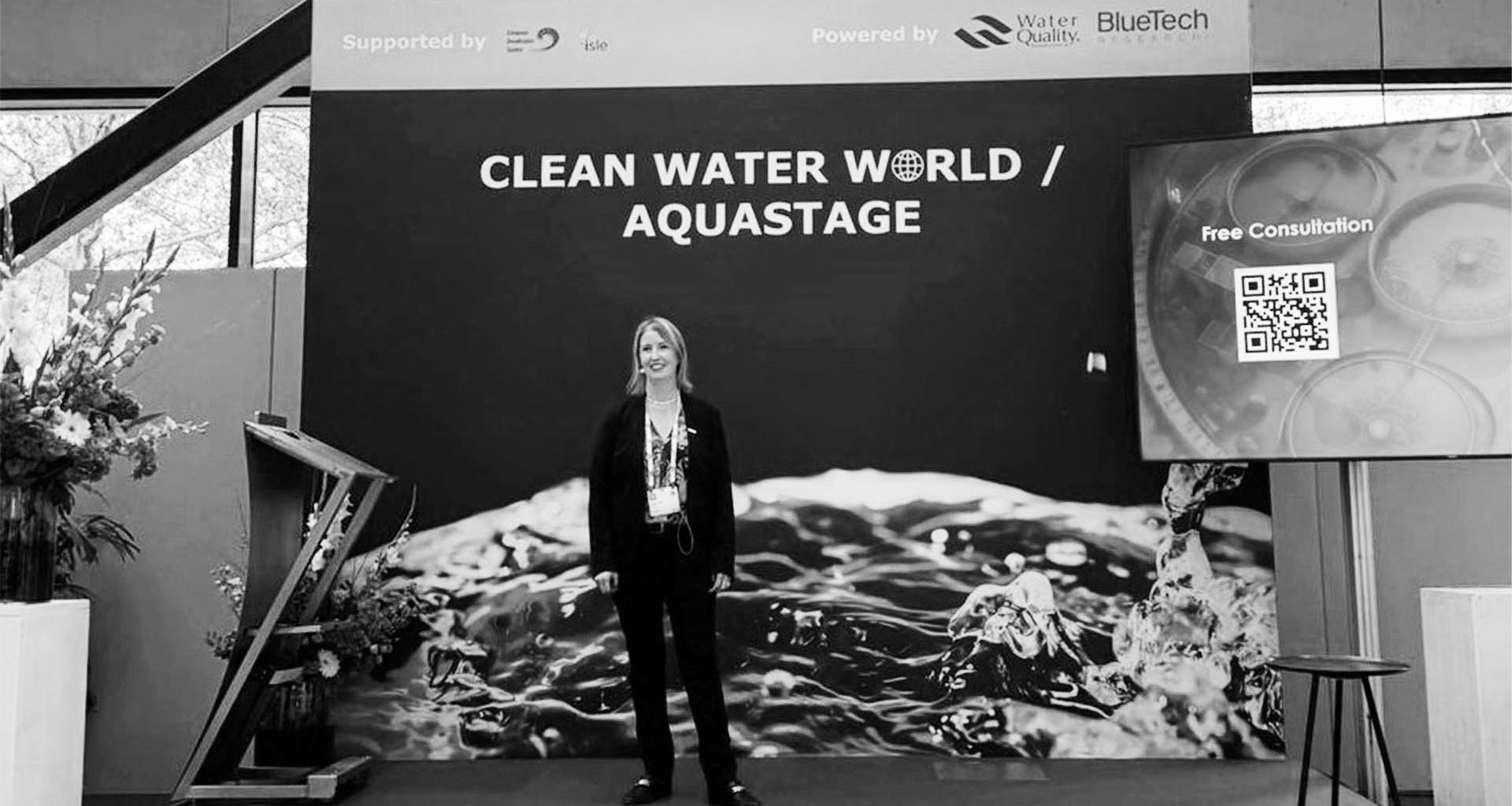
Market volatility is not new, but the pace and complexity of change across clean technology, manufacturing, and sustainability are reshaping expectations for modern leadership. Few understand that dynamic better than Pamela Lynch, president of Cornelson Inc. and long-time champion of sustainable growth. With a two-decade career spanning executive roles at Aclarity, TPI Composites, General Electric, A123 Systems, and Ogin Energy, Lynch has built a reputation as a resilient builder who knows how to steer organizations through disruption while keeping innovation and impact at the forefront.
“Disruption does not just test leaders, it defines them,” says Lynch, whose approach places clarity, adaptability, and empowerment at the heart of organizational transformation. It is a framework she’s relied on while leading teams across global supply chains, advancing clean technologies, and guiding both early stage companies and Fortune 500 firms toward scalable, market-ready solutions.
Creating Clarity When the Path Ahead Is Uncertain
For Lynch, communication is the first and most essential principle of leadership during volatility. When markets shift, uncertainty can spread rapidly. Lynch believes that leaders must take the ambiguous and make it understandable.
“A leader’s job is to create clarity, communicating not just what is happening, but why it matters and where the organization is headed,” she says. She experienced this acutely while serving as a global supply chain director during the COVID-19 pandemic, when supply chain instability threatened production across multiple regions. Rather than allow teams to operate in silos or speculate about outcomes, Lynch prioritized consistent and transparent communication. The result was alignment across markets that were operating under immense pressure.
What could have become a bottleneck instead became an opportunity. “Those conversations kept teams empowered,” she recalls. “They turned potential setbacks into opportunities to improve processes and come together as a global team.”
Staying Agile and Focused on What Matters Most
The second principle Lynch brings to transformative leadership is disciplined agility. While disruption can tempt organizations to react hastily or pursue too many initiatives at once, Lynch instead advises leaders to double down on the fundamentals that define their value. “Focus on your customers, your strengths, and your long-term vision,” she says.
During periods of rapid market change, Lynch guided teams to prioritize product launches that directly addressed customer pain points. By working alongside customers in the field, her teams maintained trust and stayed competitive even under difficult conditions. Her operational experience has shown that agility is really about sharpening priorities and enabling teams to respond quickly without sacrificing strategic intent.
Whether advising investors on global innovation strategies or helping a growing organization streamline supply chain systems, Lynch continues to emphasize that agility paired with purpose is far more powerful than agility alone.
Empowering People to Be the Drivers of Change
At the core of Lynch’s leadership model is a belief that people are the true engine of transformation. Processes and technologies matter, but it is teams who execute and innovate when the stakes are high. “No transformation succeeds without people,” she says. “Disruption is a chance to inspire teams to think differently, take ownership, and innovate.”
Lynch has seen the impact of this firsthand across the organizations she has scaled. When teams feel trusted, she notes, they rise to the challenge. This mindset has shaped the cultures she builds: high accountability, deep collaboration, and an environment where individuals understand the role they play in advancing customer success.
Her emphasis on empowerment also reflects her broader commitment to sustainability and long-term innovation. Lynch advises leaders and boards that accountability is not just an internal driver of performance. For her, it’s also a foundation for responsible growth in industries where environmental and social impact matter as much as profitability.
Turning Disruption Into Advantage
“Leading change is not about having all the answers,” she says. “It is about setting direction, staying adaptable, and empowering your people.” She encourages leaders to ask themselves one pivotal question: How can I turn today’s disruption into tomorrow’s advantage?
Her career offers a roadmap for that mindset. Lynch brings a steady belief that leadership grounded in clarity, agility, and trust can shape industries during their most defining moments.
Readers can connect with Pamela Lynch and follow her insights on sustainability and innovation on her LinkedIn or through her website.