

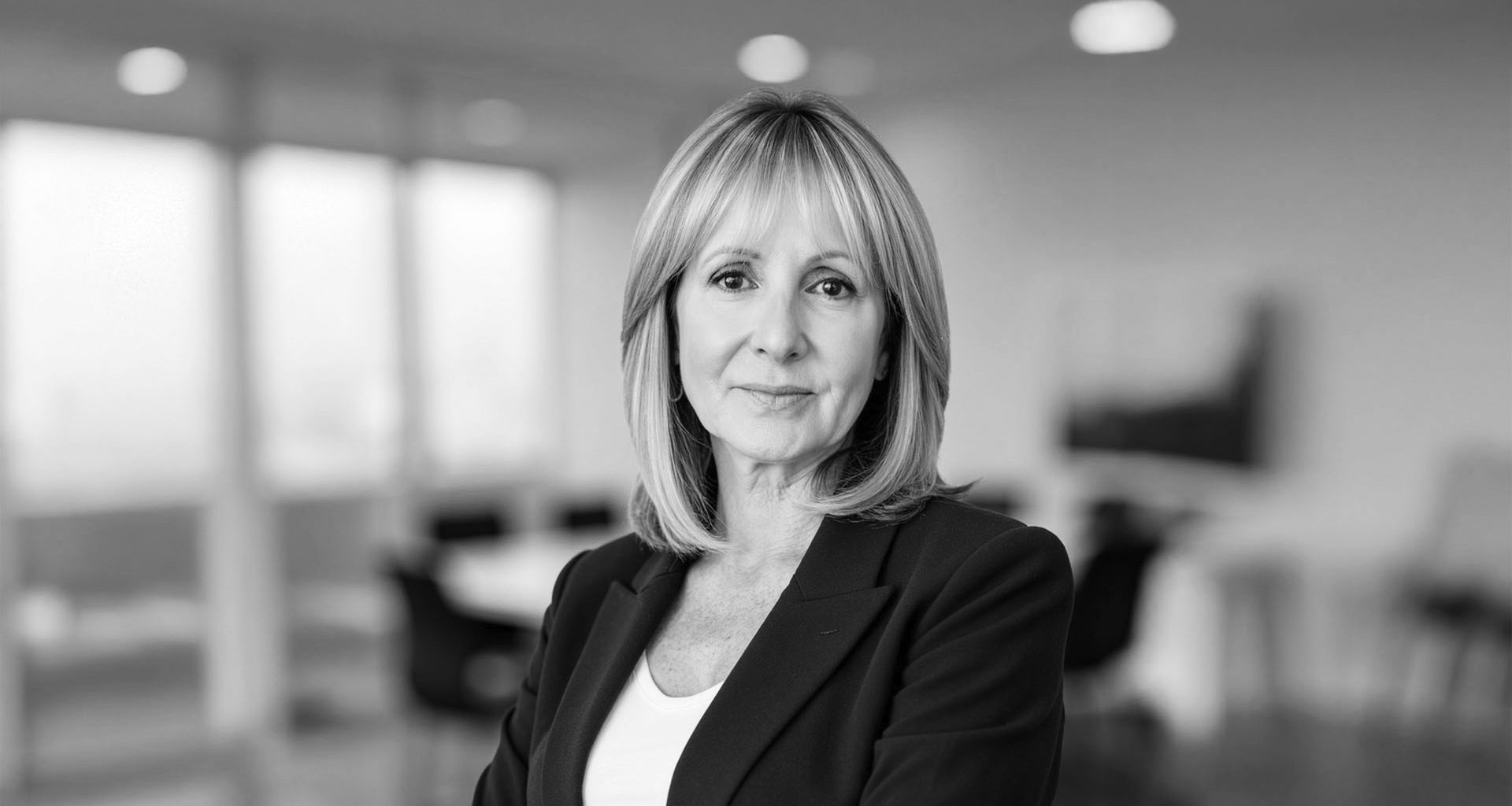
Growth does not usually break because of the product. It breaks because of people. Founders often come to Julianne Prizant, founder of OptiPeople Resources, with the same concerns. Revenue is rising, headcount is climbing, and complexity is multiplying. Yet execution feels slower, not faster. Meetings multiply, accountability blurs, and hiring becomes reactive. What once felt agile now feels heavy. “People problems are business problems,” Prizant says. “When your people systems do not work, your business feels it in every meeting, every missed goal, and every hard-to-fill role.”
After more than 30 years in HR, working with scaling early-stage companies and transforming companies, she has seen a consistent pattern. Organizations do not fail because they lack ambition. They stall because they never built the internal engine to support that ambition. That realization led her to found OptiPeople Resources. The mission is straightforward. Give growing companies the people engine they wish they had before things broke.
Align People Strategy to Business Outcomes
The first mistake scaling companies make is confusing hiring with strategy. When speed becomes the priority, roles are added quickly but clarity lags behind. “This means more than hiring fast,” Prizant explains. “It means making sure every role is built to drive outcomes and that your managers know how to lead toward those outcomes.”
In practice, that requires stepping back and asking harder questions:
- What results does this role truly own?
- How does it tie to revenue, customer retention, or operational efficiency?
- What does success look like in measurable terms?
At OptiPeople, Prizant acts as a fractional HR and talent partner, ensuring people decisions are anchored to business strategy rather than urgency. When alignment is clear, then performance improves, teams waste less time, managers stop guessing, and hiring becomes intentional rather than reactive. The outcome is not just cleaner org charts. It is measurable traction.
Build Systems That Reduce Friction, Not Add It
As companies grow, complexity creeps in quietly. Founders often assume that more structure equals more control. Instead, they create friction. “HR systems should make work easier, not harder,” Prizant says. “There is no fluff. There are no hundred-page manuals. Just clean, effective tools that grow with you.”
She focuses on simplifying the mechanics of hiring, onboarding, performance management, and compliance. The goal is clarity, which, in turn, ensures managers know how to run a performance conversation, employees understand expectations, and compliance risks are handled before they become liabilities. When systems are streamlined, companies reclaim time and leaders spend fewer hours resolving preventable misunderstandings. That simplicity often creates the biggest performance lift.
Equip Managers to Lead With Confidence
Most operational tension does not stem from bad intent. It stems from unclear expectations. “Most leadership issues come down to one thing,” Prizant notes. “Unclear expectations.” Many first-time managers are promoted for technical excellence rather than leadership readiness. They are suddenly responsible for providing feedback, resolving conflicts, and coaching on performance without ever being trained to do so.
Prizant addresses this directly. She equips managers with practical tools for setting expectations, giving direct feedback, handling conflict, and coaching performance. The change is often immediate. When managers feel confident, they make decisions faster. When expectations are explicit, teams deliver more consistently. The ripple effect is cultural: trust strengthens, turnover decreases, and execution accelerates.
Scaling Without Chaos
“We handle the messy middle,” Prizant says. “You get peace of mind and fewer surprises.” By proactively addressing employment law, outdated policies, and emerging people risks, she allows leadership teams to focus on growth rather than damage control. The cumulative effect of alignment, simplified systems, and confident managers is powerful. Companies scale without the chaos that typically accompanies growth. “When your people infrastructure is strong, you can scale without the chaos,” she says. “You can trust your team to deliver and lead with confidence.”
For founders wondering why growth feels harder than it should, the issue may not be strategy or market fit. It may be the engine beneath the business. Sustainable growth is not powered by ambition alone. It is powered by people, supported by systems, and guided by leaders who know exactly what success looks like.
Connect with Julianne Prizant on LinkedIn or visit her website for more insights.