


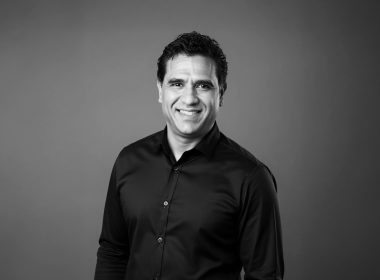

Leadership development often focuses on visible skills: communication, strategy, decision making, and execution. Yet many leaders discover that mastering these skills does not automatically create clarity or confidence. Beneath the surface, unresolved pressure, burnout, identity shifts, and past experiences continue shaping how leaders show up. For Damesha Craig, founder of Talent Connect Network and host of Sunday SoulDay, the missing foundation in leadership development is not another skillset. It is wholeness.
After more than 15 years of helping leaders build teams and navigate high-growth environments, Craig has seen a pattern emerge. Aligned leadership does not begin with strategy. It begins with the internal condition of the leader. “When leaders are not whole, leadership becomes survival,” Craig explains. “It becomes more reacting than responding and more proving than grounding.”
Craig teaches a framework called the 12 Steps to Wholeness, designed to help leaders transform personal experiences into purpose-driven leadership. The model focuses on developing alignment across mind, body, soul, and heart so that leadership becomes sustainable rather than reactive.
Why Inner Alignment Shapes Organizational Culture
Leadership culture rarely forms by accident. It mirrors the internal state of the people guiding the organization. Craig notes that many leaders carry unprocessed experiences that quietly influence their decisions. The pressure of scaling teams, managing performance expectations, or navigating rapid growth can compound unresolved stress. When those experiences remain unexamined, they often show up as behavioral patterns. “Pain does not simply disappear,” Craig says. “It becomes patterns.”
Those patterns can appear in many forms. Leaders may overwork to prove their value. Others lean toward perfectionism, attempting to control outcomes. Some default to people-pleasing to maintain harmony, while others disengage emotionally to protect themselves from pressure. Individually, these responses may seem manageable. Over time, however, they shape the way teams experience leadership. This is because organizations reflect the tone set by leadership, so internal fragmentation at the top can gradually become a broader cultural issue.
Craig believes the solution begins with deeper self-awareness. “Wholeness creates steadiness, clarity, and values-driven decisions,” she explains. When leaders operate from that place, they create environments where trust, accountability, and growth can thrive.
Turning Pain Into Purpose
Many professionals carry stories about setbacks, rejection, or high-pressure transitions. These experiences often shape identity in ways that are rarely examined during traditional leadership training. Craig encourages leaders to shift their perspective. “The shift happens when you move from asking what happened to me to asking what this is here to teach me,” she says. This shift reframes adversity as a source of insight rather than something to suppress or overcome.
When leaders examine the lessons within their experiences, they gain clarity about their values, their purpose, and the impact they want to create. That awareness strengthens their ability to lead with intention rather than reaction. “Healing the root changes how you lead,” Craig explains. “You stop bleeding from the wound and start leading from wisdom.”
The 12 Steps to Wholeness Framework
Craig designed the framework to guide leaders through an inside-out transformation process. The steps address several interconnected dimensions of leadership development. Self-awareness helps leaders recognize the internal patterns influencing their behavior. Emotional intelligence strengthens the ability to navigate complex interpersonal dynamics. Vision clarifies the direction leaders want to create, both personally and professionally. The framework also emphasizes practical habits that sustain growth over time.
By integrating emotional awareness, reflective practices, and intentional action, the process supports leaders in building consistency between their values and their leadership decisions. Craig describes the goal simply. “The framework integrates the full human, so leadership becomes grounded and sustainable.” Rather than focusing solely on external performance, the model helps leaders cultivate internal clarity that naturally influences how they guide teams and organizations.
Leadership as a Journey of Seasons
Another key insight Craig shares is that leadership purpose is not static. Many professionals search for a single defining purpose that remains constant throughout their careers. Craig believes leadership evolves through seasons instead. “You do not have one purpose,” she says. “You have purpose seasons.”
Different phases of a career bring new responsibilities, challenges, and opportunities for growth. Leaders who recognize this evolution become more adaptable and reflective as their roles change. “Leadership is cultivation,” she explains. “You grow what you water.” When leaders invest time in developing their inner alignment, the benefits extend far beyond individual growth. Teams experience clearer communication, stronger trust, and more thoughtful decision-making.
Leading From Wholeness
Craig believes the most effective leaders begin by addressing the internal dimension of leadership that is often overlooked. Skills and frameworks matter. Strategy and execution remain essential. But without wholeness, those tools can only go so far. Aligned leadership emerges when leaders develop clarity within themselves first. As Craig puts it, “Aligned leadership is not about doing more. It is about becoming whole.”
Connect with Damesha Craig on LinkedIn to learn more about the 12 Steps to Wholeness and her work supporting leaders on their journey toward aligned leadership.