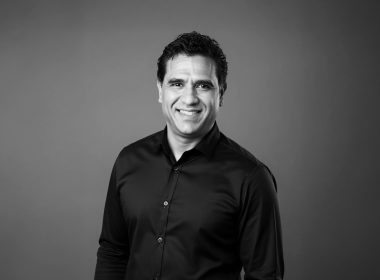


Healthcare systems layer policies, approvals, and compliance frameworks on top of IT operations. This governance often slows innovation without preventing the high-impact incidents that destroy millions in business value. Ronald Dews Jr. has spent over two decades leading enterprise IT operations across Fortune 50 and 500 healthcare organizations. He has learned that governance designed for control creates bureaucracy, while governance engineered for resilience enables scale. Most governance models focus on restricting what teams can do. Dews has seen that turning governance from a burden into a strategic asset requires engineering frameworks that protect value through automation, not approval layers, and embedding governance into culture so it never becomes a checklist.
Engineer Governance That Protects Value, Not Just Enforces Policy
Governance in global healthcare must enable scale and reliability, not just control risk. Dews governed more than 10,000 cloud systems, driving 99% availability and reducing high-impact incidents by 95%. “Governance was not just policy. It was a framework engineered for resilience, backed by clear roles, automated enforcement, and integrated risk management.” Most governance relies on approval workflows and documentation requirements. These create control, but they also create friction. Changes stack up behind review queues. Deployments slow down. Teams spend energy satisfying governance instead of delivering outcomes.
Governance engineered for resilience works differently. Clear roles define who approves what based on risk level, reducing unnecessary approvals while preserving oversight for high-risk changes. Automated enforcement validates requirements before deployment. Integrated risk management assesses impact continuously and surfaces issues early. “Strong governance is not restrictive. It gives teams the confidence to move fast knowing guardrails are in place,” Dews explains. The 95% reduction in high-impact incidents shows what resilience delivers. These incidents take down systems serving thousands, destroy productivity, and create business impact that compounds with every minute of downtime.
Tying governance to ITSM platforms like ServiceNow makes enforcement real-time instead of periodic. “We implemented change filters and predictive analytics that stopped over 100 high-risk changes in just five hours, protecting over $1.2 million in business value,” Dews explains. “We also drove 12+ release cycles with zero outages, which is critical in healthcare where uptime directly impacts care delivery.” Traditional governance leans on manual reviews and approval meetings. Risk still slips through because reviewers lack context or time to evaluate every submission thoroughly.
ServiceNow changes this through automated governance. Change filters analyze submissions at speed, flagging risk based on system criticality, change type, and historical impact. Predictive analytics identify changes likely to trigger incidents before deployment. Stopping more than 100 high-risk changes in five hours protected $1.2 million by preventing incidents that would have halted operations and undermined trust. Manual governance might catch some issues eventually, but not fast enough and not consistently. Twelve consecutive zero-outage release cycles show what real-time governance enables. In healthcare, where uptime affects care delivery, even brief outages delay treatment and increase operational risk.
Embed Governance Into Culture, Not Just Compliance
The best governance models are embraced, not enforced. “I have led over 90 coaching sessions and 40 process audits to raise ITSM maturity across global teams,” Dews explains. “We also built 300+ training documents that reduced onboarding time by 50%, helping new team members start strong with governance built into their daily workflows.” Most organizations implement governance through policies and enforcement. Teams comply because they have to, not because they understand how governance protects value. That mindset turns governance into an obstacle.
Embedding governance into culture requires coaching that clarifies intent, why changes require review, what risks governance prevents, and how guardrails protect patients and business value. Process audits show where governance creates unnecessary friction versus where it prevents real risk. Training documents translate expectations into repeatable workflows that new team members can apply from day one. “Governance must feel like a shared language, not a checklist,” Dews emphasizes. When governance becomes shared language, teams use it naturally. When it feels like a checklist, teams fill fields to satisfy compliance, creating documentation without protection.
Governance Is the Strategy Behind the Strategy
“In complex, high-stakes industries like healthcare, governance is how you deliver innovation at scale without compromising reliability and compliance,” Dews concludes. “By combining automation, culture, and operational discipline, governance becomes a strategic asset, not a burden.” Healthcare systems that govern through policies and approval layers slow innovation without preventing incidents. Healthcare systems that engineer governance for resilience and embed it into culture can move faster while protecting business value.
Engineer frameworks with clear roles, automated enforcement, and integrated risk management. Tie governance to ITSM platforms using change filters and predictive analytics. Embed governance into culture through coaching and training. When these elements work together, governance shifts from a restrictive burden into a strategic capability that protects value, enables innovation, and strengthens operational excellence.
Connect with Ronald Dews Jr. on LinkedIn for insights on innovating system governance in healthcare.