


Healthcare innovation is advancing at unprecedented speed, yet many organizations still operate in fragments. Therapies are developed in one lane, devices in another, and digital solutions somewhere else entirely. The result is not just operational inefficiency, but missed opportunities to meaningfully improve patient outcomes.
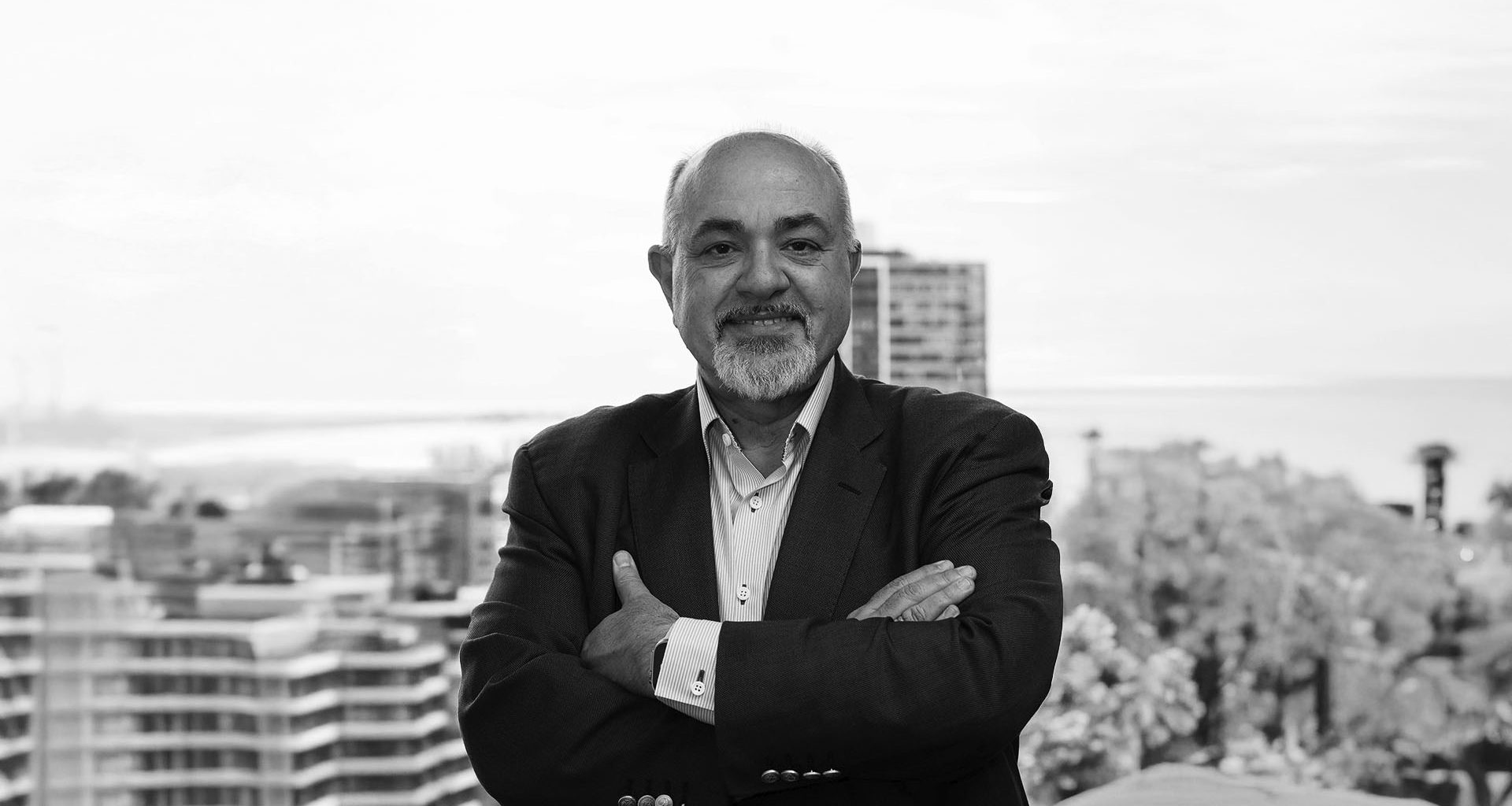
Dr. Paul Mastoridis, a pharmaceutical executive with more than 25 years of experience leading global teams across pharmaceutical innovation, digital health, and medical device development, has built his career around solving this exact challenge. From launching life-saving treatments to patenting AI-powered diagnostics for asthma and COPD, his work centers on one idea: the future of healthcare belongs to organizations that can integrate science, technology, and strategy into a single, cohesive ecosystem.
Start With the Patient, Not the Product
For Mastoridis, integration does not begin with technology. It begins with perspective.
“We often silo therapies, devices, and digital tools, but patients don’t live in silos.”
This philosophy shaped his work at Novartis, where his team developed a simple whistle device designed to help cystic fibrosis patients use inhalers correctly. While technically modest, the innovation addressed a critical behavioral gap, improving adherence and ultimately driving better clinical outcomes.
When patient experience guides strategy, innovation becomes practical rather than theoretical. Organizations that anchor decisions in real-world patient behavior are far more likely to develop solutions that deliver measurable impact.
Turn Devices Into Intelligent Systems
Smart devices alone are no longer enough. Competitive advantage now lies in transforming those tools into connected, insight-driven systems.
Mastoridis helped develop and patent an AI-powered application that diagnoses asthma and COPD in under 5 minutes, outperforming physicians across 9 countries. Yet the breakthrough was not purely technological. It required deep collaboration with medical experts and external partners to embed reminder systems that reduce exacerbations, lower hospitalization rates, and strengthen long-term patient engagement.
“Devices must do more than deliver medication. They must deliver insight.”
Data is no longer a byproduct of care. It is becoming a central driver of better decision-making for clinicians, patients, and health systems alike.
Align the Enterprise Around One Strategy
Integration at the product level is impossible without integration at the organizational level. Many healthcare transformations fail because teams operate without a shared strategic language.
During his tenure as CEO at Adherium, Mastoridis led a pivotal shift from a clinical trials-focused organization to a U.S.-centered remote monitoring business. By aligning R&D, regulatory, medical affairs, commercial, and digital teams under a unified vision, the company formed partnerships with major allergy networks serving more than 400,000 asthma patients.
Transformations of that scale rarely happen by accident. They require leadership willing to dismantle functional barriers and replace them with coordinated execution.
“I’ve seen repeatedly that breakthrough results follow when science and technology stop competing for priority and start operating as one system.”
One Vision, One Ecosystem
The boundaries between drugs, devices, and digital health are dissolving. Treating them as separate strategies is quickly becoming a liability.
Organizations that lead the next era of healthcare will think end-to-end. They will design ecosystems instead of products, partnerships instead of pipelines, and experiences instead of isolated interventions.
The tools to reshape healthcare already exist. The differentiator is no longer access to innovation, but the ability to integrate it with intention.
Connect with Dr. Paul Mastoridis on LinkedIn for more insights.