



The questions employees are asking right now are not small ones. Am I still valuable? Are my skills still relevant? Where is my work heading? These are not abstract anxieties; they are the daily reality of a workforce navigating AI disruption, economic uncertainty, and rapidly shifting role definitions. Managers are trying to lead teams through the same fog they themselves are standing in.
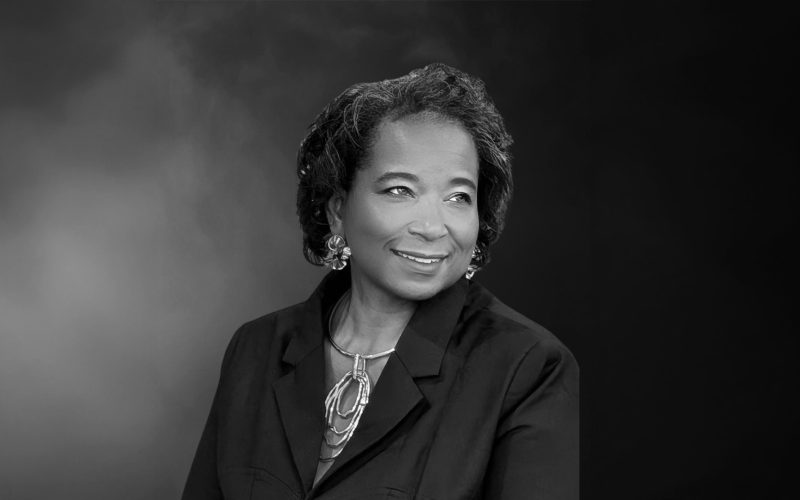
Nita Umashankar, professor and coach who has spent her career studying what people need to stay engaged and effective at work, has distilled the answer to three things that matter more in uncertainty than in any other condition. “In times like these, people need clarity, purpose, and trust,” Umashankar states. “And right now, all three are in short supply.”
Clarity Is a Performance Condition
When work changes quickly, roles evolve, expectations shift, and success metrics move, the absence of clarity does not simply create confusion. It creates discouragement. Talented people who cannot answer the question of what good performance looks like in their current context begin to disengage, not because they lack capability or commitment, but because they lack the orientation to apply either effectively.
Clarity means communicating what matters most right now, how roles are evolving, and what strong performance looks like in the present environment rather than the one that existed eighteen months ago. Managers who assume their teams already have this orientation are often wrong. The speed of change in most organizations has outpaced the communication about that change, and the gap between what leadership understands about where things are heading and what frontline employees understand is wider than most senior teams realize.
Purpose Is What Keeps Work From Feeling Purely Transactional
People want to know that their work means something. Not in a vague or aspirational sense, but concretely, how what they do contributes, why it matters, and how it connects to outcomes that go beyond the immediate task. When that connection is visible, work has a different quality. When it is absent, even well-compensated work starts to feel hollow in ways that erode the engagement and discretionary effort that no performance management system can manufacture. “Purpose is what keeps work from feeling purely transactional,” Umashankar reflects.
In a labor market shaped by AI and uncertainty, where employees are already questioning their relevance and future, purpose becomes the anchor that keeps people invested in the work in front of them rather than mentally searching for an exit. Organizations that communicate purpose consistently create conditions for sustained engagement that those relying purely on compensation and stability cannot replicate.
Trust Is What Everything Else Depends On
Clarity and purpose matter only in an environment where trust exists. Trust comes from honest communication about what is happening and what is not yet known, from consistency between what leaders say and what they do, from genuine listening, and from follow-through on commitments made. In times of anxiety and uncertainty, the presence or absence of trust determines whether employees feel supported or exposed, and whether managers can lead effectively or are simply managing the symptoms of a team that has stopped believing in the information they are being given.
Trust does not follow performance. Performance follows trust. Getting this right in uncertain times is not a soft leadership skill. It is the foundational condition that determines whether clarity and purpose land or fall flat, and whether organizations emerge from disruption with their best people still present and still committed.
Follow Nita Umashankar on LinkedIn for more insights on leadership effectiveness, employee engagement, and building the conditions that keep people grounded and motivated in uncertain times.