Most technology organizations optimize for today’s requirements while tomorrow’s challenges are already taking shape. By the time they realize their systems cannot handle what comes next, competitors have already moved ahead.
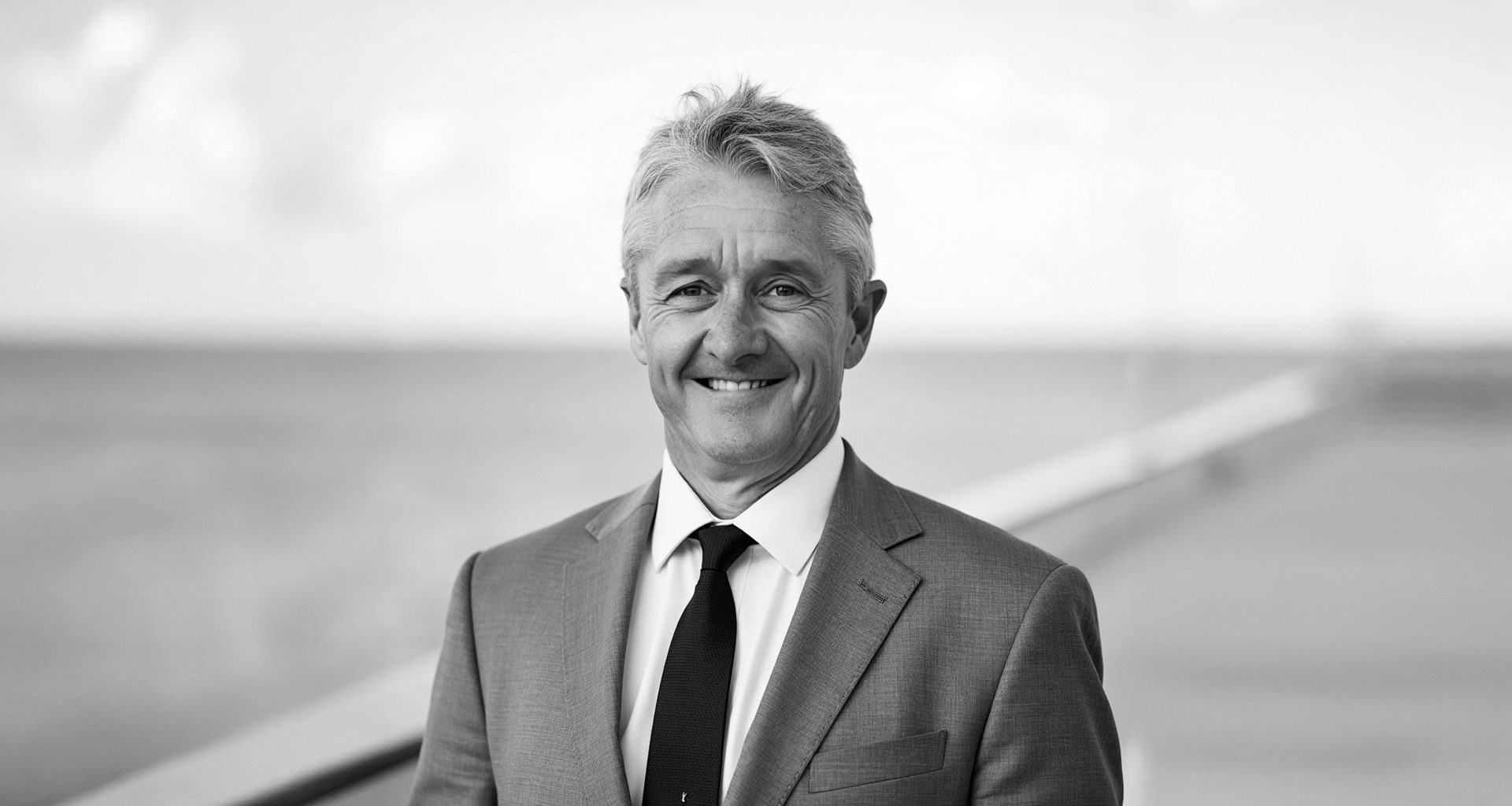
Kendrew Peacey, a Fractional Chief Technology Officer and founder with over two decades of experience, has helped global organizations modernize legacy platforms, optimize tech spend, and prepare for what comes next. He has led teams across three continents and learned that future-ready organizations are not built by predicting the future. They are built by preparing for change.
“Technology doesn’t wait. It doesn’t ask for permission,” Peacey explains. “The organizations that thrive tomorrow are the ones that build with tomorrow in mind, starting today.”
Align Technology With Business Outcomes
Technology that operates in isolation becomes a cost center. Future-ready organizations integrate technical initiatives with product goals so every engineering decision directly supports revenue, customer retention, or operational efficiency.
Peacey has led teams where technology and business strategy were tightly aligned, reviving legacy systems while accelerating delivery timelines and directly driving revenue growth. This required treating the tech stack not as infrastructure to maintain but as a growth engine to optimize.
“Your tech stack isn’t just infrastructure. It’s a growth engine,” says Peacey. “Future-ready means business-aligned from the start.”
When technology decisions are made without understanding business priorities, teams build capabilities that do not solve the problems leadership actually cares about. This creates friction between technical and business functions because each group questions whether the other understands what matters.
Alignment eliminates this friction. Engineering roadmaps reflect business priorities. Product launches happen faster because technical dependencies were addressed during planning, not discovered during execution.
Modernize With Intent, Not Disruption
Legacy systems are not inherently problematic. They become problems when they slow execution, limit scalability, or drive costs higher than the value they deliver. The solution is not always complete rewrites. It is modernization with intent.
“Legacy isn’t a bad word until it slows you down,” Peacey explains. “Modernization is about making the old work for the new, efficiently.”
Complete rewrites carry significant risk. They pull engineering resources away from feature development for extended periods. They introduce new bugs while attempting to eliminate old ones. They often miss deadlines because scope creep is inevitable when rebuilding from scratch.
Intentional modernization takes a different approach. It identifies the specific constraints legacy systems create and targets those constraints without rebuilding everything. It migrates components incrementally, so the business continues operating while improvements happen in the background. It delivers value continuously rather than waiting months or years for a big-bang launch.
Build Teams That Can Adapt
Technology will change again tomorrow. What will not change is the need for adaptable, empowered teams.
Peacey has scaled global development groups and unified multi-cloud environments by investing in people first. He hires for potential, upskills continuously, and creates cultures of trust and transparency where teams feel empowered to solve problems rather than waiting for direction.
“The right tools are critical, but the right team is everything,” says Peacey. “I’ve scaled global teams by investing in people first. That’s what creates adaptability when technology inevitably changes.”
Adaptable teams respond to unexpected challenges without losing momentum. They learn new tools quickly because they understand underlying principles. They identify problems before they escalate because they feel ownership over outcomes, not just tasks.
Preparing for Change
Being future-ready is not about predicting the future. It is about preparing for change. Align your technology to your business, modernize with purpose, and build adaptable teams. That is how you do not just keep up. That is how you lead.
“Future-ready organizations are built by preparing for change,” Peacey concludes. “Align tech to business, modernize with intent, and build teams that can adapt. That’s how you build a technology organization that lasts.”
Connect with Kendrew Peacey on LinkedIn for insights on building future-ready technology organizations.