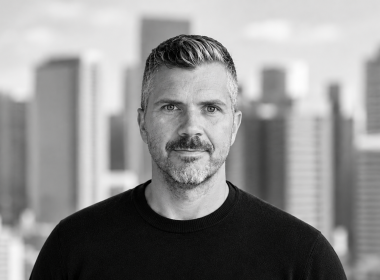




Telecom has spent the better part of a decade buying its way into the future. Fiber builds, network modernization, automation platforms, AI-assisted field dispatch: the capital is flowing, and the procurement decks are impressive. What rarely gets the same scrutiny is whether the organization underneath all that spending can absorb it. Timothy A. Holden, who has led telecom operations across network deployment, field operations, and enterprise transformation for more than 20 years, argues that the determining variable in digital evolution is almost never the technology. It is whether the people expected to run it understand their role, believe the work matters, and have the authority to make decisions without waiting for permission. That is an uncomfortable claim in an industry that measures progress in deployed assets, because it means the most expensive transformation program in the budget can still fail quietly, and the failure will look like adoption lag rather than a leadership problem.
Start With People, Not Technology
The most common pattern Holden sees is transformation led by tools alone. A platform gets selected, a rollout schedule gets published, training gets scheduled, and leadership treats the install date as the finish line. “One of the biggest mistakes I see is leading transformation with tools alone,” he says. “Real transformation starts with employee experience.” The sequencing matters more than it sounds. When the technology arrives first and the organizational work comes second, the new system lands on top of unclear roles, stale processes, and teams who were never asked what they needed. Adoption becomes compliance, and compliance produces the minimum viable usage that keeps dashboards green while the promised efficiency never materializes.
Holden’s prescription is specific rather than sentimental. Be clear about how each role fits into the bigger picture. Share feedback openly. Listen to ideas coming from the field, where the gap between how a process is documented and how it runs is most visible. “When people feel respected, empowered, and accountable, they drive better outcomes for customers and the business,” he says, and the inclusion of accountability in that list is deliberate. This is not a case for softer management. It is a case that empowerment without accountability produces drift, and accountability without empowerment produces resentment. The test he applies is blunt: “Technology should support your team, not bury them.” In field operations especially, where technicians carry devices, apps, and reporting requirements that accumulate faster than they get retired, that distinction is the difference between a tool that gets used and one that gets worked around.
Connect The Work To A Purpose, Not Just A Number
Telecom runs on metrics, and that is not the problem. The problem is that cascading a number down through an organization does not explain to anyone why the number exists. “Goals fall flat when nobody knows why they matter,” Holden says. His method for fixing that inverts the standard performance conversation. Rather than opening with targets, he starts somewhere more personal. “Instead of asking what’s your goal, I ask, why is what you do important to you? And I keep asking until I find the real purpose driving that person.” The repetition is the point. The first answer is usually a job description. The useful answer tends to be several questions deeper.
What follows is the part most organizations skip. “We take that purpose and tie it to organizational goals, and that’s when things really begin to click,” Holden says. The outcome is a team that understands two things simultaneously: what sits inside its control, and how daily, weekly, and quarterly work connects upward to company objectives without losing its connection to individual motivation. “That’s where focus and momentum come from.” For leaders managing distributed field workforces, this is the practical answer to a chronic problem. Teams spread across geographies cannot be supervised into alignment. They can only be aligned through clarity about why the work matters, and that clarity has to survive contact with a bad week, a tough install, or a shifting priority from headquarters. Purpose that is genuinely the employee’s own does survive. A quota pasted onto a slide does not.
Build Leaders At Every Level
The third habit is the one with the most structural implication. “Digital change needs leadership everywhere, not only in the boardroom,” Holden says. In practice, that means giving frontline teams, managers, and executives alike the confidence and skills to solve problems, make decisions, and adapt quickly. Telecom transformation generates thousands of small judgment calls that no steering committee will ever see, and the speed at which those calls get made determines the pace of the entire program. An organization where decisions queue upward is an organization that moves at the speed of its slowest approval.
Holden frames the payoff in terms of resilience. “When leadership is shared, organizations bend instead of break.” The condition attached to it is what separates this from a slogan: “Pair real trust with real accountability, and the change sticks.” Distributed authority without consequence turns into chaos. Consequence without authority turns into blame. Both are familiar failure modes in large operational environments, and both are avoidable. His closing position is a direct challenge to how transformation gets sold internally. “None of this is about chasing the next trend. Get the fundamentals right, and transformation stops feeling like disruption and starts becoming your advantage.” For telecom leaders weighing the next capital cycle, that reframes the question. The useful one is not which platform to buy. It is whether the organization has the clarity, purpose, and distributed leadership to turn any platform into a result.
Follow Timothy A. Holden on LinkedIn for more insights on telecom operations, enterprise transformation, and building future-ready organizations.